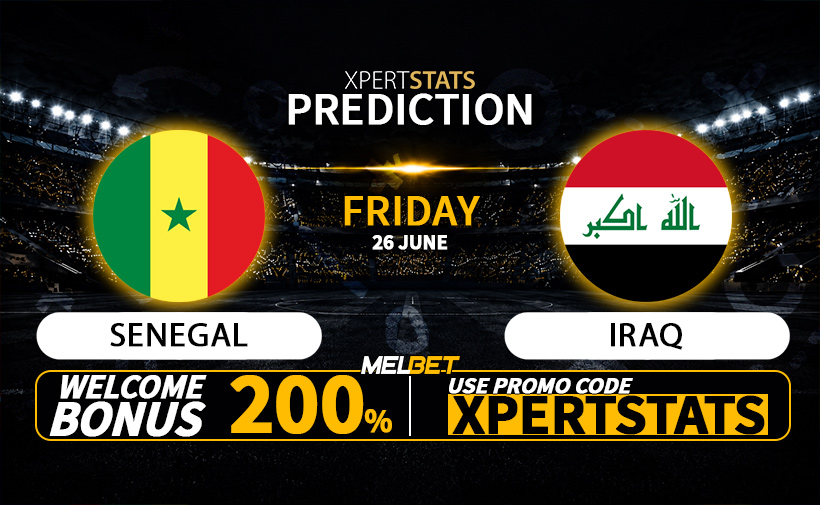
Senegal arrive in Toronto with their tournament hanging by a thread, but not without hope. Pape Thiaw’s side have looked dangerous in patches, especially when the wide players receive early service and the midfield pushes high enough to trap second balls.
Iraq, meanwhile, have had a punishing introduction to this group. Graham Arnold’s side are compact by design, usually happier sitting in a 4-1-4-1 shape and waiting for a loose pass. The problem? Against stronger teams, that defensive workload becomes exhausting very quickly.
There is also a tactical contrast that makes this one interesting. Senegal want speed, width and quick pressure after turnovers. Iraq prefer patience, structure and direct release passes when they escape. That may sound simple, but in a high-stress World Cup setting, one misplaced clearance can change everything.
The match rhythm should lean toward Senegal possession, with Iraq defending deeper and trying to slow the game through midfield traffic. Corners and cards data was not supplied, so the stronger angle comes from open-play pressure, attacking quality and which team can handle the emotional weight better.
Still, Senegal cannot treat this as a stroll. Their defensive lapses have kept opponents alive, and Iraq will know one counterattack could tilt the mood. Even so, the broader story points toward Senegal having more routes to goal and more reason to chase a wider winning margin.