Women’s Champions League: Can English Teams Thrive in the New Format?

Share
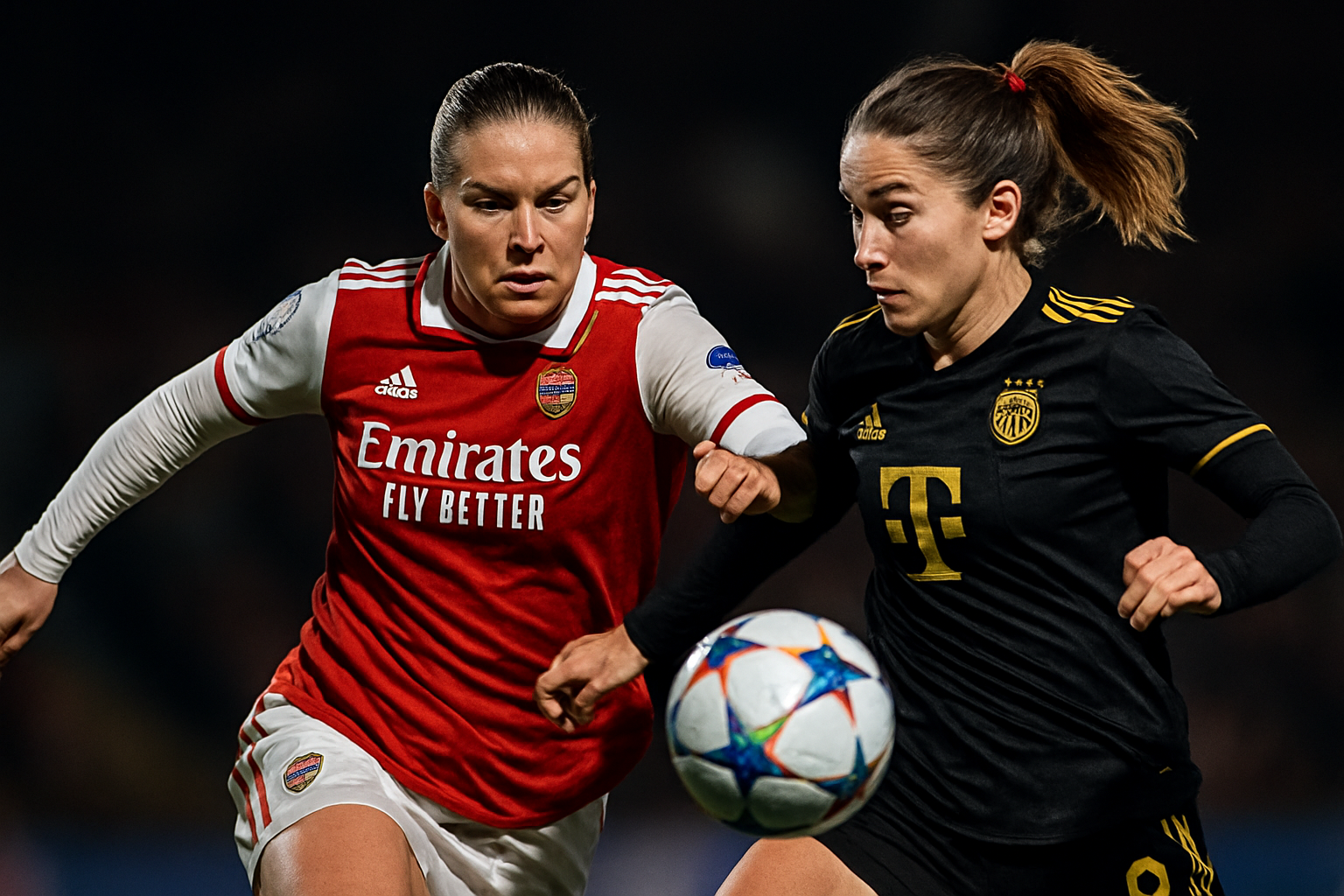
Women’s Champions League: Assessing the Impact of the New Format on English Teams
This season has seen a significant milestone for English clubs in the Women’s Champions League, with three teams—Manchester United, Arsenal, and Chelsea—advancing to the quarter-finals. But has the revamped format of the tournament truly made it easier for them?
Key Highlights
- Manchester United secured their first quarter-final spot with a 5-0 aggregate win over Atletico Madrid.
- Arsenal triumphed over OH Leuven, winning 7-1 on aggregate in the play-offs.
- The new league phase allows the top four teams to advance straight into the quarter-finals.
- Experts debate whether the format change protects stronger clubs or merely reflects their growth.
Manchester United, making their main draw debut, showcased their potential by defeating Atletico Madrid—a team experienced in the tournament—5-0 on aggregate. This victory allowed them to secure a place in the last eight via two-legged playoffs, a feat mirrored by Arsenal, who overcame OH Leuven with a 7-1 aggregate score.
Chelsea, having finished in the top four during the league phase, qualified directly for the quarter-finals. However, the question remains: has this new league phase facilitated their journey, or have these English clubs simply displayed their emerging dominance on the European stage?
Looking at Arsenal‘s campaign, they faced a daunting start, going up against Lyon, the tournament’s most successful club. Although they suffered a defeat, they rebounded, finishing fifth in the league phase after key wins against Real Madrid and FC Twente. Their subsequent matchup against OH Leuven was seen as favorable, yet coach Renee Slegers emphasized the challenges they faced. “We knew Leuven could be a tough opponent, and we had to be at our best,” she stated after their decisive 3-1 second-leg victory.
Manchester United‘s path wasn’t easy either. Before reaching the league phase, they had to navigate through three qualifying rounds, including a comeback victory against Brann. They faced formidable opponents like Wolfsburg and Juventus in their group, making their advancement to the quarter-finals a testament to their growth and adaptability. Manager Marc Skinner reflected on the experience, highlighting how it has exposed his team to diverse playing styles and accelerated their development.
Chelsea, despite being a top seed, had to contend with tough fixtures against both Barcelona and Wolfsburg in the league phase. With their next match against Arsenal, the road to the final remains challenging, yet their track record of consistent performance in the competition cannot be overlooked.
The Women’s Champions League has undergone a significant transformation this season. The new structure, featuring 18 teams playing six opponents, allows the top four to advance directly to the quarter-finals, while the bottom six are eliminated. This shift has sparked discussions about the potential advantages for established clubs. Tim Stillman, an Arsenal supporter and writer for Arseblog, noted that this season has provided a “more serene” experience for Arsenal, suggesting that the format could reduce the risks associated with the tournament.
However, the question persists: have English teams truly improved in Europe? Arsenal, while historically the only English club to win the title twice, faced early exits before bouncing back last season. Their remarkable journey, which included 15 matches leading to a final victory over Barcelona, illustrates their resilience. Chelsea has consistently reached the semi-finals, proving their competitiveness on the continental stage.
As Manchester City struggles in the Champions League, having not advanced beyond the quarter-finals since 2018, the focus is on Manchester United, who have emerged as serious contenders. With a strong defensive record and eight clean sheets from twelve matches, they are positioned well for their quarter-final match against Bayern Munich.
In conclusion, while the new format may provide some advantages, the ongoing success of English clubs in the Women’s Champions League is undoubtedly a reflection of their commitment and development in women’s football. As these teams continue to push boundaries, fans can expect an exciting future for the sport.
Frequently Asked Questions
- How many English teams reached the quarter-finals of the Women’s Champions League this season?
Three English teams—Manchester United, Arsenal, and Chelsea—qualified for the quarter-finals. - What is the new format of the Women’s Champions League?
The tournament now features 18 teams with a league phase where the top four advance directly to the quarter-finals. - Did Arsenal face tough opponents during their campaign?
Yes, Arsenal faced Lyon and Bayern Munich but managed to secure their place in the knockout stage. - What impact has the new format had on English teams?
While some argue it offers advantages, others believe it showcases the growth and competitiveness of English clubs in Europe.