VAR Enhancements for World Cup 2026: A Game-Changer in Refereeing

Share
VAR Expansion: Key Changes Set for World Cup 2026
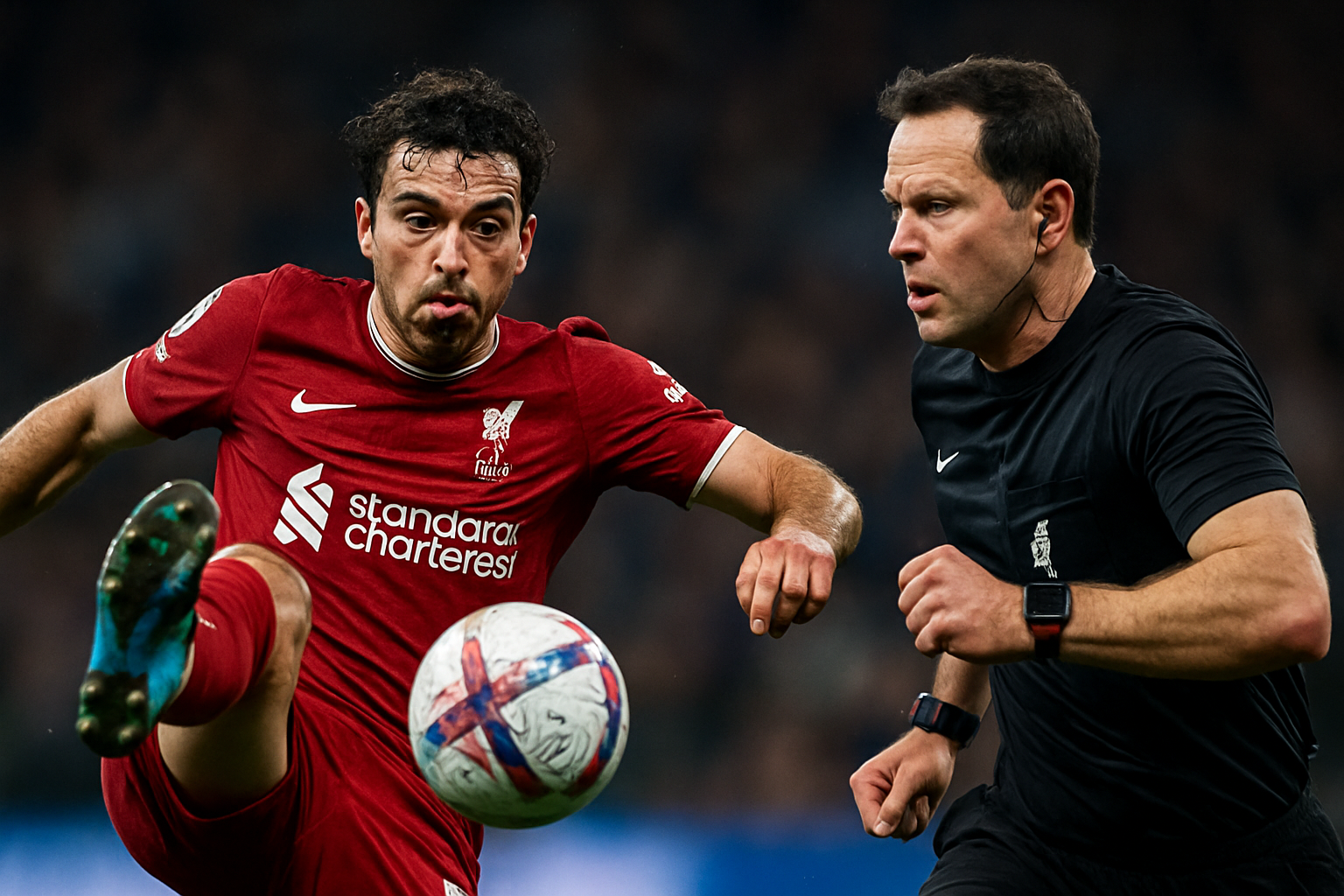
The video assistant referee (VAR) system is poised for significant enhancements as it prepares for the upcoming World Cup in 2026. New rules will expand VAR’s responsibilities to include the scrutiny of corners and second yellow cards, aiming to refine decision-making processes in high-stakes matches.
Key Highlights
- VAR to check corners and second yellow cards, enhancing accuracy.
- Countdowns for goal-kicks and throw-ins to reduce time-wasting.
- Trials for new offside rules and protocols against tactical timeouts.
- Potential changes in the Dogso (Denying an Obvious Goalscoring Opportunity) rules.
The International Football Association Board (Ifab) greenlit these changes during its annual meeting at Hensol Castle in Wales, with the new protocols set to take effect on June 1. These adjustments are intended to curtail the frustrating time-wasting tactics that have plagued matches, introducing countdown timers for goal-kicks and throw-ins, ensuring quicker restarts.
Additionally, Ifab is exploring further trials for potential adjustments to offside rules, alongside measures to address players concealing their mouths during confrontations. This comes in light of a recent incident involving Benfica’s Gianluca Prestianni, who faced accusations of racially abusing Real Madrid’s Vinicius Jr.
As FIFA strongly backs the expansion of VAR, leagues maintain the right to opt out of certain measures, particularly those expected to prolong game durations. Notably, while the Premier League is unlikely to adopt VAR’s corner evaluations, Serie A is expected to embrace this new approach.
In a recent controversial incident, Juventus defender Pierre Kalulu received a second yellow card following minimal contact from Inter Milan’s Alessandro Bastoni. Referee Gianluca Rocchi expressed regret over the decision, highlighting the need for VAR in such cases. Over the last two seasons, 17 players were wrongfully dismissed for two cautions, emphasizing the potential necessity for VAR’s involvement in these situations.
Furthermore, the countdowns for goal-kicks and throw-ins aim to address the growing issue of tempo disruption. Following trials in Major League Soccer, a substituted player must now exit the pitch within 10 seconds. Failure to comply means their replacement must wait, placing the team at a numerical disadvantage for a minute.
Additionally, a new approach to the Denying an Obvious Goalscoring Opportunity (Dogso) rule will broaden the criteria for sending off players. Previously limited to situations where the fouled player was through on goal, it will now consider the potential scoring chances for teammates, thus addressing fast counter-attacks effectively.
Ifab’s decisions are a step forward in refining the game, with trials for Arsene Wenger’s proposed offside revisions set to commence in the Canadian Premier League in April. The outcome of these trials could lead to widespread changes in offside law by the 2027-28 season.
In summary, the upcoming World Cup will witness pivotal changes aimed at improving the integrity of the game, with VAR playing a crucial role in ensuring accurate officiating and minimizing time-wasting tactics. As football evolves, so too do the rules that govern its fluid and dynamic nature.
FAQs
- What changes will VAR implement for the 2026 World Cup?
VAR will be able to check corners and second yellow cards to enhance decision accuracy. - When will the new VAR protocols take effect?
The new rules will come into force on June 1, 2026. - How will countdowns impact goal-kicks and throw-ins?
A countdown will be introduced to ensure quicker restarts, switching possession if players take too long. - What is the Dogso rule change?
The criteria for sending off players will expand to include potential scoring opportunities for teammates.