Tottenham Hotspur’s Descent: Analyzing the Crisis at Spurs

Share
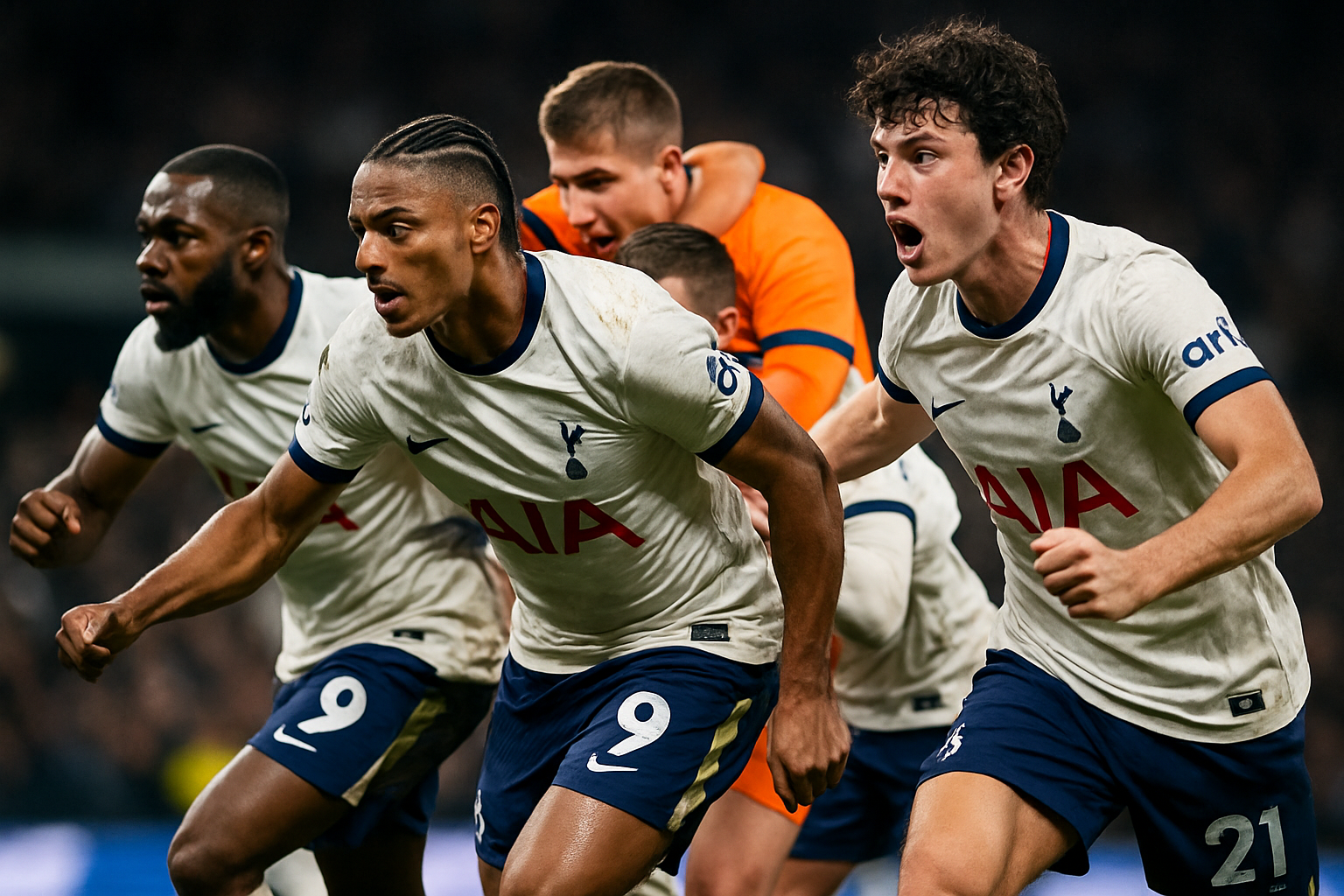
Spurs in Crisis: Unpacking the Blame for Tottenham’s Struggles
The turmoil at **Tottenham Hotspur** has reached a boiling point, with the club precariously perched just above the relegation zone. Following a disheartening home defeat to **Crystal Palace**, thousands of fans expressed their frustration by leaving early, marking yet another low point in a season filled with chaos.
Key Highlights
- Spurs are just one point above the relegation zone.
- Interim manager Igor Tudor has lost three consecutive matches.
- Daniel Levy’s reign has been marked by instability and poor managerial choices.
- The absence of key players has further compounded the club’s challenges.
With only a point separating Spurs from relegation, interim manager Igor Tudor finds himself under immense scrutiny after losing his third match in a row since taking over from the dismissed Thomas Frank. This dire situation raises an urgent question: who is truly responsible for the collapse of a club that once lifted the Europa League trophy just last season and reached the Champions League final only seven years ago?
Former chairman Daniel Levy has long been a focal point of criticism during difficult times at Spurs. While his efforts in constructing a state-of-the-art stadium cannot be overlooked, fans have consistently pointed to his failure to provide sufficient financial backing to elevate the club into the Premier League’s elite.
Paul Robinson, a former Spurs goalkeeper, candidly remarked, “This is a problem that has been building over years. You can circle a drain long enough, but at some point, you will fall in. Levy receives a lot of criticism, some of which is unfair; however, he hired ‘win now’ managers like Jose Mourinho and Antonio Conte without equipping them with the necessary resources to succeed.”
Since the sacking of Mauricio Pochettino in November 2019, Spurs have splurged £979 million on players, with a net spend of £653 million—surpassed only by clubs like Chelsea and Manchester United. Yet, Levy’s tight-fisted approach has often left targeted players slipping through the cracks, as he drove hard bargains and failed to offload those who didn’t fit the club’s vision.
Levy can argue that his off-field management has been financially astute, but the on-pitch results tell a different story. The club’s wage bill, reportedly £248.6 million last season, is significantly less than that of the so-called “Big Six,” raising questions about the club’s ambition and competitiveness.
As instability reigns—with 12 managers sacked during Levy’s tenure—questions arise regarding his legacy. With CEO Vinai Venkatesham and sporting director Johan Lange now at the helm, there’s pressure to rectify the situation. Venkatesham, in particular, must prove his worth after coming from arch-rivals Arsenal, where he was known for his steady leadership.
Did Pochettino’s departure in 2019 mark the beginning of Spurs’ decline? Many fans certainly think so. His tenure culminated in a Champions League final that should have been a foundation for future success, yet it appears to have been a tipping point. The relationship between Pochettino and Levy soured, with the manager feeling his vision was not fully supported. Robinson notes, “You look back to that Champions League final; Spurs had a manager who people would walk over hot coals to get back now. This was the time to back him. Ever since that day, the club has regressed.”
In the wake of Pochettino’s departure, Levy’s selections for managerial replacements have been questioned. Mourinho, who led Spurs to the Premier League summit, was infamously dismissed just days before a cup final. Nuno Espirito Santo’s brief tenure ended in four months, while Antonio Conte’s explosive exit left a bitter taste among fans. The narrative is clear: Levy has struggled to find a manager who can thrive within the confines of the club’s culture, leading to the notion that the real issue lies within the club itself.
Injuries have also played a major role in the current predicament. Key offensive players Dejan Kulusevski and James Maddison have spent substantial time on the sidelines, and the loss of talisman Harry Kane to Bayern Munich has left a gaping hole in the squad. Robinson points out that with the top three scorers from the last few seasons now gone, Spurs are left scrambling for goals.
As Tudor’s appointment has proven to be a questionable decision, the question lingers—was he the right choice? Robinson argues that Spurs should have opted for a more experienced manager to guide them through this turbulent phase. Ultimately, the club’s future hinges on whether they can navigate this crisis and emerge stronger, or if they will continue to spiral downwards.
In the end, a cleansing of the club’s structure may be necessary. As supporters grapple with disillusionment, the need for clear leadership and a definitive strategy has never been more apparent. Without immediate action, Tottenham’s hopes of avoiding relegation may be dashed, leaving fans to wonder what the future holds.
FAQ
- Who is the current manager of Tottenham Hotspur? Igor Tudor is currently the interim manager after the dismissal of Thomas Frank.
- What financial challenges is Tottenham facing? Spurs have a high wage bill and have struggled to compete financially with other top clubs.
- Why did Pochettino leave Tottenham? Mauricio Pochettino was sacked due to a falling out with chairman Daniel Levy and a perceived lack of support for his vision.
- What impact have injuries had on Spurs this season? Key players like Dejan Kulusevski and James Maddison have missed significant time, contributing to the team’s struggles.