The Decline of English Strikers: What’s Happening to the Number Nines?

Share
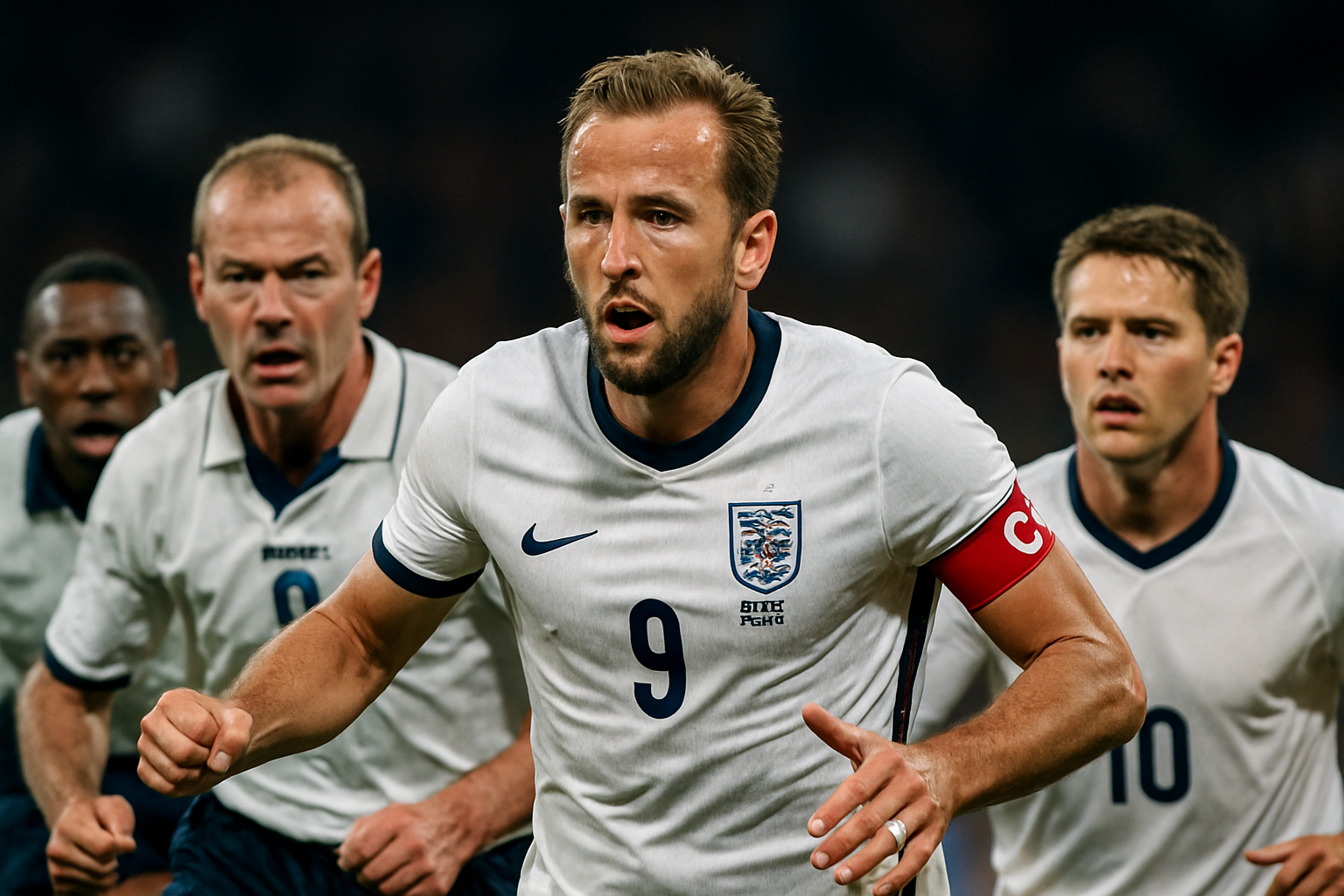
Where Have All the English strikers Gone?
As England gears up for crucial matches, only one name stands out as the sole traditional striker in Thomas Tuchel’s squad: Harry Kane. This glaring absence of English centre-forwards raises serious questions about the future of the national team as they prepare for the World Cup.
Key Highlights
- Harry Kane is the only out-and-out striker selected in the 25-man squad.
- Injuries have sidelined other potential forwards like Ollie Watkins and Dominic Solanke.
- Only eight English strikers have appeared in the Premier League this season.
- England Under-21s struggled with the same issue, lacking a recognized striker.
Tuchel’s comments highlight a worrying trend—English football seems to be running low on traditional number nines. With Kane being the only true striker in the current squad, the reliance on him is palpable, especially with the upcoming World Cup on the horizon.
This isn’t just a recent development; it’s a trend that has been gaining momentum over the years. The Premier League has seen a decline in the number of English forwards, with only three English strikers managing to score over ten goals last season. That’s a stark contrast to the 1992-93 season, when twenty English strikers hit that mark.
The current statistics paint a grim picture. So far, English strikers have netted just 11 goals this season, on pace for a total of only 38 by season’s end. This figure is alarmingly close to the record set 30 years ago by legends like Andy Cole and Alan Shearer.
Several factors contribute to this decline. For one, fewer English strikers are getting regular game time. Only a handful have managed to start more than three league games this season, limiting their chances to showcase their talents. The influx of foreign talent into the Premier League has also played a significant role, as clubs opt for proven international strikers over homegrown talent.
Another issue is the shift in tactical approaches. The classic 4-4-2 formation that showcased two strikers has become less common. Modern teams often favor formations that utilize a single striker, which diminishes opportunities for English forwards to shine. Even though clubs like Manchester City and Arsenal are bringing strikers back into vogue, the English talent pool remains sparse.
Former England great Alan Shearer argues that changes in coaching and training methods have led to fewer players aspiring to be strikers. The focus on intricate passing plays often sidelines the centre-forward role, making it less appealing to young talents.
Chris Sutton, another former striker, agrees with Shearer, noting that the modern game emphasizes creativity over traditional striking roles. The emphasis on wide players has also shifted the narrative, making it harder for strikers to find their footing.
Even Michael Owen, a former Golden Boot winner, feels that if he were emerging today, he might not even be considered a striker. He reflects on how the landscape has changed, leaving aspiring strikers uncertain about their roles.
As England prepares for the World Cup, the question remains: Who will step up if Kane is unavailable? The depth of English strikers is a concern, and Tuchel’s squad serves as a stark reminder that while Kane might be the current star, the future of English striking talent is still very much in question.
FAQs
- Why is Harry Kane the only traditional striker in the England squad?
Injuries to other forwards and the overall decline of English strikers have led to Kane being the sole option. - What factors have contributed to the decline of English strikers?
The influx of foreign players into the Premier League and changes in tactical setups have reduced opportunities for English forwards. - How many goals have English strikers scored this season?
So far, they have scored only 11 goals, with projections indicating a total of just 38 by season’s end. - What does the future hold for English strikers?
The situation is concerning, as there seems to be a lack of emerging talent ready to take on the traditional centre-forward role.