Scottish Premiership Split: Key Insights and Upcoming Fixtures

Share
Scottish Premiership Split: What to Expect This Season
As the Scottish Premiership approaches its annual split into two sections of six teams, the debate is heating up over which clubs will benefit most from the upcoming fixtures. The decision isn’t random; it involves careful planning by the SPFL, taking into account the desires of broadcasters, security considerations, and fan expectations.
Key Highlights
- Scottish Premiership splits into top and bottom six after 33 matches
- Imbalances in home and away fixtures create controversy
- Television scheduling impacts match timings
- Title race intensifies with several clubs in contention
Hearts’ head coach, Derek McInnes, has voiced his concerns following the announcement of post-split fixtures. While some fans are disappointed that the league leaders won’t have a home game on the final day, McInnes understands the challenge in satisfying all 12 clubs. The SPFL’s task is complex, requiring a balance between fairness and logistical constraints.
The split system was introduced to maintain excitement and competition in the league. Originally, the top flight consisted of 10 clubs, allowing for a simpler 36-game season. However, the division grew to 12 teams in the 2000-01 season, prompting a shift to the current format. This change means the top six clubs battle for the title and European spots, while the bottom six fight to avoid relegation.
Despite the potential for thrilling matches, the split can lead to some unusual results. This season, for instance, promoted club Falkirk has performed exceptionally well, securing a spot in the top six. However, this has resulted in them playing 20 home matches, while Livingston will have 18. The SPFL aims for a balanced schedule, but sometimes these imbalances are unavoidable.
Moreover, the league’s structure means that certain teams may face specific opponents multiple times at home or away, causing frustration among supporters. This scenario is not new; fixture reversals have been a common occurrence since the split’s inception. The SPFL strives to minimize these instances while keeping key matchups in mind.
Television rights play a significant role in scheduling decisions as well. With several matches set to be broadcast live, the timing can shift based on what’s deemed most appealing to viewers. For instance, the clash between Celtic and Falkirk will be featured prominently, pushing other fixtures around to accommodate broadcasting requirements. McInnes has expressed discontent over Hearts not having a traditional Saturday 15:00 kickoff, highlighting the ongoing tension between club needs and media commitments.
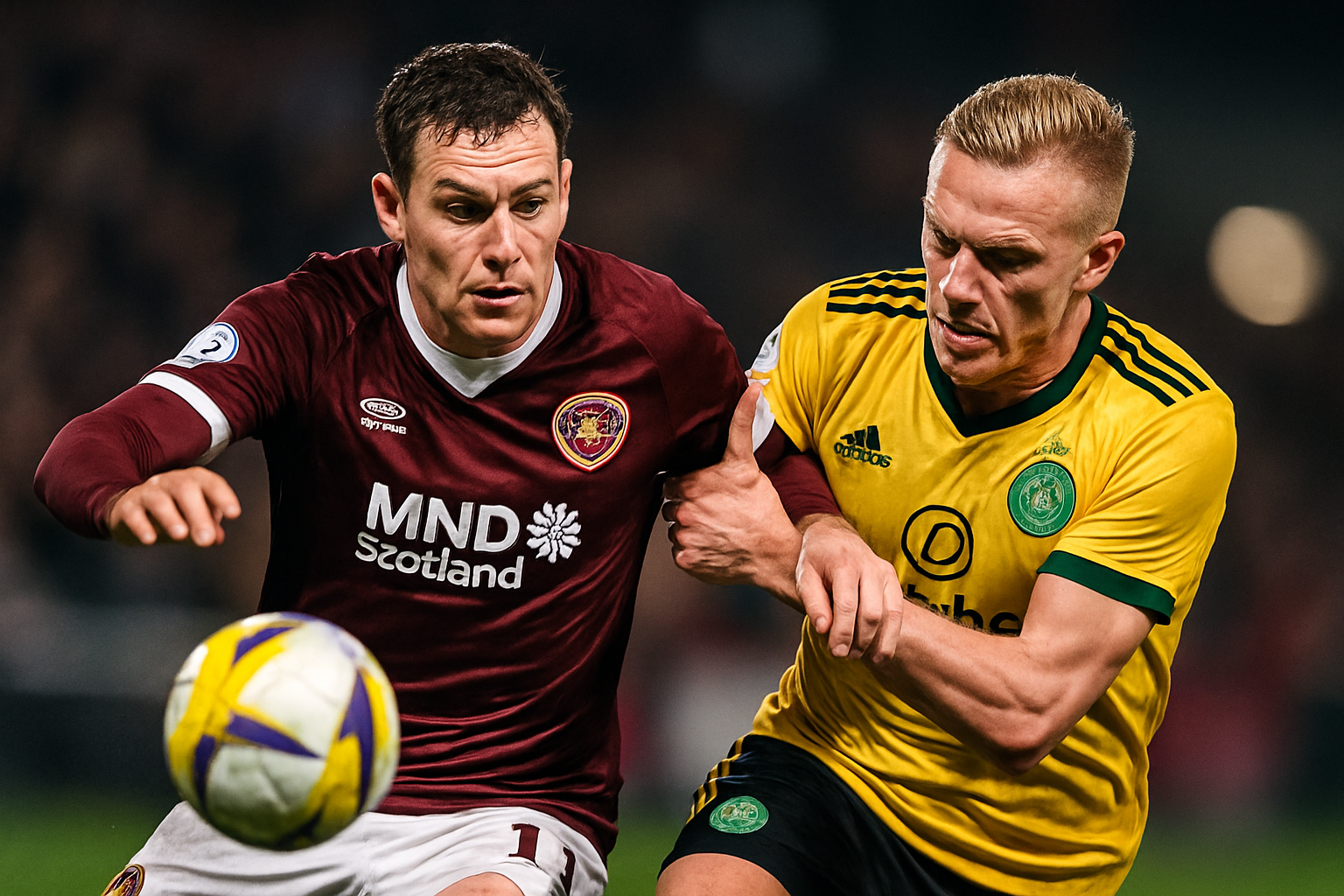
As the final day approaches, all eyes are on the title race. Hearts find themselves in a competitive position, but the decision to have them travel to Celtic Park has not pleased some fans, who are concerned about limited ticket availability. The SPFL’s rationale for this arrangement involves a mix of home match distribution and ensuring an exciting end to the season. With a title race that many consider to be one of the most compelling in recent history, the stakes are high for every match.
FAQs
- Why does the Scottish Premiership split?
The split allows for a more competitive finish as teams vie for different goals: titles or avoiding relegation. - How is the split determined?
The SPFL collaborates with broadcasters and considers various factors, including team performance and logistics. - Are home and away matches balanced?
Not always; sometimes teams have imbalances due to the unpredictable nature of team performances. - What impact does media have on fixtures?
Television coverage can lead to changes in match timings, which sometimes frustrates clubs and fans alike.