Mohamed Salah: The Rise of Egypt’s Football Icon and Philanthropist
Share
Mohamed Salah: From Nagrig to National Icon
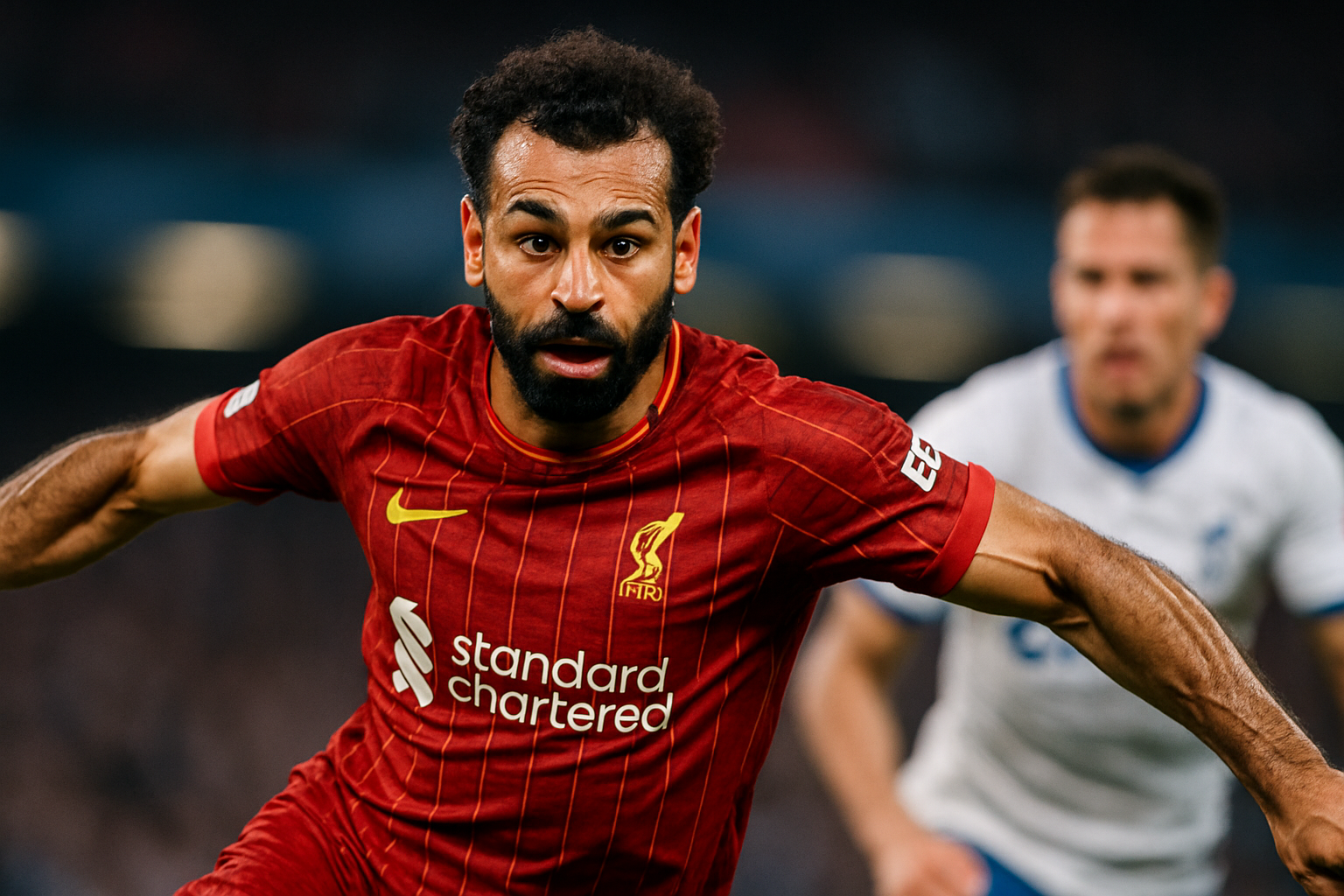
Every time I step into this youth center, memories of how he moved and controlled the ball come rushing back. It’s hard to believe that this is where it all began for Mohamed Salah, one of the world’s leading forwards who helped Liverpool clinch the Premier League title in May.
Key Highlights
- Salah started playing football at just seven years old in his hometown of Nagrig.
- He has scored an impressive 245 goals for Liverpool since joining in 2017.
- Salah remains a beloved figure in Egypt, inspiring millions with his journey from humble beginnings.
- His charity work has significantly impacted the lives of many in Nagrig.
In the streets of Nagrig, the young Salah would mimic Brazilian star Ronaldo, French legend Zinedine Zidane, and Italian icon Francesco Totti. His early coach, Ghamry Abd El-Hamid El-Saadany, recalls, “Mohamed was small compared to his teammates, yet he did things even the older boys struggled with. His powerful shots and relentless determination set him apart.”
Now at 33, Salah is gearing up for his ninth season with Liverpool, having netted a remarkable 245 goals in 402 appearances. Despite his club success, including a Champions League victory, the one accolade that eludes him remains a major international trophy with Egypt.
With the Africa Cup of Nations approaching in December and the 2026 World Cup looming, his impact on Egyptian football cannot be overstated. In bustling Cairo, fans gather at cafes to watch Salah play, reminiscing about family moments spent cheering for their hero. Lamisse El-Sadek, sitting at the Dentists Cafe, remembers watching matches with her late father, who would text her updates when she couldn’t watch. “Salah is proof that hard work and sacrifice can lead to greatness,” she shares, proudly wearing his Liverpool jersey.
The village of Nagrig, surrounded by lush fields and bustling activity, is a testament to Salah’s humble beginnings. His family remains deeply rooted in the community, embodying values of respect and humility. El-Saadany emphasizes, “Salah’s family laid the groundwork for his success, and their sacrifices helped him reach the heights he has today.”
As Salah’s legacy grows, so does his influence in Nagrig. Children run around donning Egypt and Liverpool jerseys, and murals of the star adorn the village. A local barber, Ahmed El Masri, fondly recalls giving Salah his signature hairstyle during his teenage years. “He’d always come back to me, despite his friends teasing him for it. They were amazed at how good he looked,” he chuckles.
But it wasn’t just talent that got Salah to where he is. The journey to training was grueling. He’d often travel alone, taking multiple buses for hours just to practice with Arab Contractors. El-Saadany remembers, “Imagine a ten-year-old leaving home early and returning late at night. That required immense strength and focus.”
As we traverse Cairo’s busy streets, it’s hard to ignore the billboards celebrating the Egyptian King, with the word ‘shukran’—thank you—flashing across screens. Salah’s impact extends beyond football; he embodies hope and pride for the Egyptian people, especially in challenging times.
Diaa El-Sayed, a pivotal coach in Salah’s early career, recalls the obstacles faced during the 2011 Under-20 World Cup. “The country was in turmoil, yet Salah’s concentration and speed stood out. He’s always had the drive to succeed,” he notes. The journey has not been without its challenges, particularly during Salah’s shoulder injury in the 2018 Champions League final, which raised concerns about his participation in the World Cup.
Despite these setbacks, Salah’s contributions to the national team have been monumental. He played a crucial role in Egypt’s qualification for the World Cup for the first time in 28 years, scoring a decisive penalty against Congo. Mahmoud Fayez, former assistant coach, vividly recalls the moment, “A nation was waiting for that goal—Salah delivered, and the celebration was unforgettable.”
In Nagrig, Salah’s charitable efforts have transformed lives. His foundation supports orphans, widowed women, and the less fortunate, providing essential aid and resources. Local vendor Rashida speaks of Salah’s humility and kindness, saying, “He’s like a brother to us.” His contributions include funding a new post office and an ambulance unit, showcasing his commitment to giving back to his roots.
As Salah continues to shine in the Premier League, discussions in Egypt turn towards future hopes. With the next Africa Cup of Nations on the horizon, questions arise about Salah’s potential to finally secure international glory for his country. Mido, a former Egyptian striker, asserts, “Salah has already cemented his legacy as the greatest Egyptian footballer. He doesn’t need to prove anything more; he’s a legend.”