Mohamed Salah: A Journey from Nagrig to Global Stardom
Share
Mohamed Salah: From Nagrig to National Icon
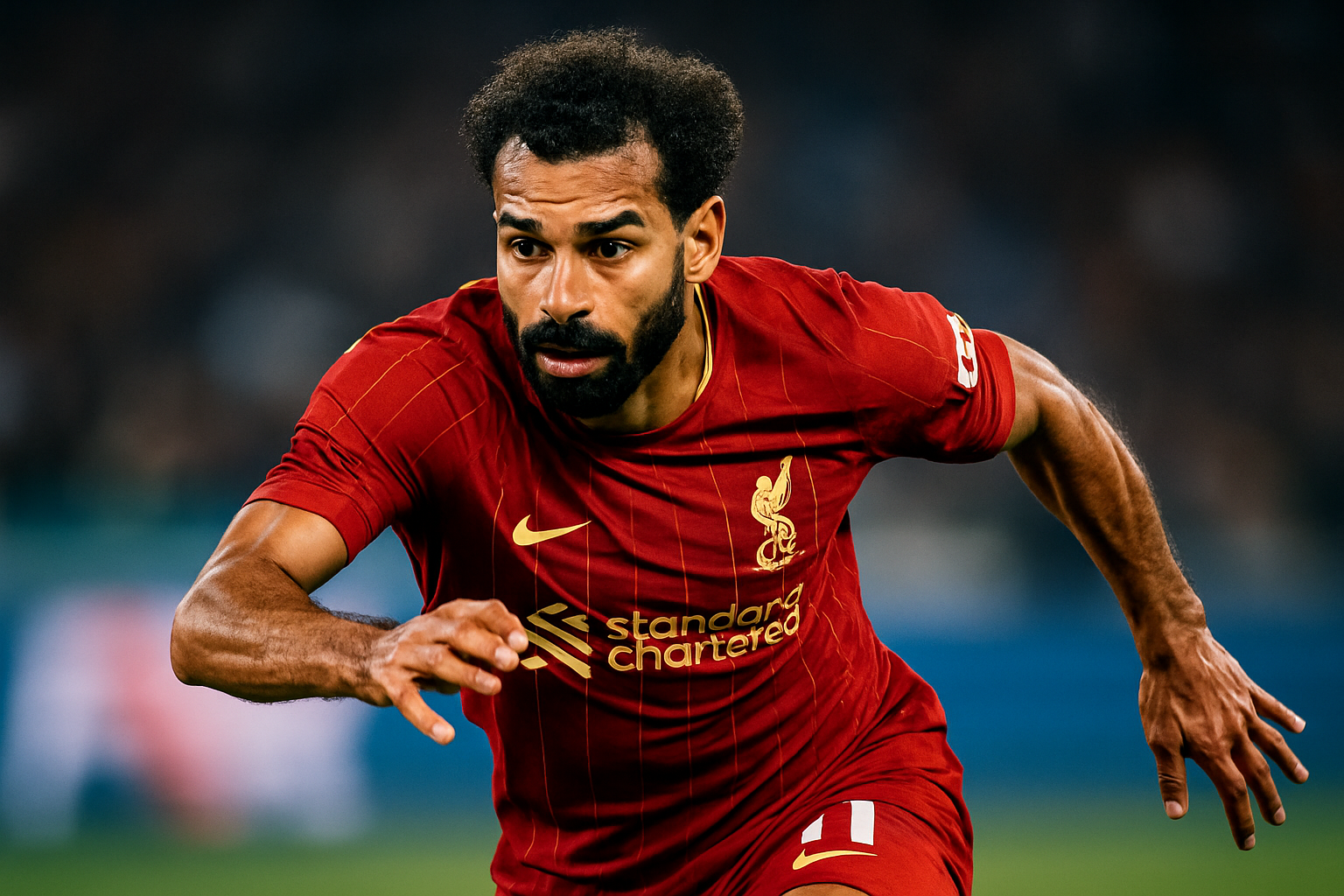
Every time I step into this place, memories flood back of how he moved with the ball, a sight to behold. These sentiments resonate deeply as one of Mohamed Salah’s early coaches opens the newly painted dark green gates of the youth centre in Nagrig, a quaint village just three hours north of Cairo. This is where the journey began for one of football’s most prolific forwards, a player whose impact propelled Liverpool to the Premier League title in May.
Key Highlights
- Salah began playing football at just seven years old.
- He has scored 245 goals in 402 appearances for Liverpool.
- Salah is a national hero in Egypt, known as the ‘Egyptian King‘.
- His charity work significantly impacts his hometown of Nagrig.
On the streets of Nagrig, young Salah would channel his idols, pretending to be the likes of Ronaldo, Zidane, or Totti. “He was smaller than his teammates, yet he performed feats even the older boys couldn’t match,” recalls Ghamry Abd El-Hamid El-Saadany, Salah’s first coach, gesturing to the artificial pitch now bearing Salah’s name. “His shots were powerful, showcasing his determination and drive.”
Now at 33, Salah embarks on his ninth season with Liverpool, where he has netted an astonishing 245 goals in 402 league and cup games since his arrival in 2017. Though he’s achieved remarkable success with club honors, including the Champions League, he is yet to replicate this on the international stage with Egypt.
With the Africa Cup of Nations looming in December and the 2026 World Cup on the horizon, BBC Sport took a trip to Egypt to explore the deep connection the people have with Salah—how a humble boy became a national symbol.
“Watching Salah, I still feel my father’s joy,” shares Lamisse El-Sadek at the Dentists Cafe in east Cairo, where Liverpool fans gather to catch matches on the big screen. Clad in a Liverpool shirt bearing her father’s name, she reminisces about their shared viewing experience, which became a cherished routine. “He passed away two years ago, but every game was some of the happiest two hours of our week. Even when I couldn’t watch, he’d text me minute-by-minute updates.
“Salah didn’t come from privilege. He fought hard and sacrificed to achieve his dreams, and many of us see ourselves in his journey.”
Nestled in lush fields, Nagrig is a small farming village known for its jasmine and watermelons. Here, the ‘Egyptian King‘ spent his formative years. “Salah’s family laid the groundwork for his success,” El-Saadany adds, proudly recalling his role in nurturing Salah’s talent. “They remain humble and respected within the community—this is why people adore them.”
The youth centre has recently been revamped as a tribute to Salah, featuring a pristine green surface worthy of professional training grounds. “His family made many sacrifices for him to succeed,” El-Saadany says, standing next to a large photo of Salah hoisting the Champions League trophy.
In Nagrig, Salah’s presence is inescapable. Children don jerseys emblazoned with his name, and his old school boasts a mural of the player. Local barber Ahmed El Masri recalls giving Salah his signature hairstyle, reminiscing about how the young prodigy always returned to him, defying peer pressure.
As we board a cramped Suzuki van at the edge of Nagrig, memories of Salah’s journey to training come alive. “The trip to Arab Contractors was tough and costly for him,” El-Saadany explains. “Picture a child leaving at 10 AM and not returning until midnight. Only someone with determination could endure such a challenge.”
The bus journey was just the beginning; Salah would navigate various transfers to reach his training ground in Cairo.
The bustling microbuses that dominate Cairo’s streets handle about 80% of commuters, as Egyptian journalist Wael El-Sayed notes. Driving through Cairo, a billboard flashes from an ice cream ad to a picture of Salah, paired with the Arabic word ‘shukran’, meaning ‘thank you’.
Diaa El-Sayed, a pivotal coach in Salah’s early career, recalls the challenges they faced during the 2011 Under-20 World Cup. “The revolution made preparation tough, but Salah stood out for his speed and focus. He listens, works hard, and deserves every bit of success.”
El-Sayed laughs as he recalls advising Salah against defending. “Against Argentina, he went back to defend and gave away a penalty! I told him, ‘Don’t defend! You’re an attacker!'”
Salah’s role with the Egyptian national team has made him a symbol of hope. Dr. Mohamed Aboud, the national team’s medic, recalls the pressure surrounding Salah’s injury during the 2018 Champions League final. “I received calls from high-ranking officials worried about his health. I told them not to panic.”
Salah did recover in time for the World Cup, though Egypt’s journey ended prematurely after tough losses. Former assistant coach Mahmoud Fayez recalls Salah’s crucial role in their qualification campaign, scoring a dramatic penalty that secured Egypt’s first World Cup spot in 28 years.
In Cairo, the football academy ‘The Maker’, founded by ex-national striker Mido, aims to cultivate future stars inspired by Salah. “Salah has shown what is possible for young players from Egypt,” Mido explains, highlighting Salah’s influence on European clubs’ perceptions of Arab talent.
Returning to Nagrig, Rashida, a 70-year-old vegetable vendor, shares how Salah’s charity work has transformed lives in the village. “He’s respectful and kind, like a brother to us,” she says, reflecting on the impact of the Mohamed Salah Charity Foundation, which supports orphans and the needy.
Salah has funded vital community projects, including a new post office and an ambulance unit. His humility and dedication have endeared him to the people of Nagrig. When Liverpool clinched the league title last season, fans gathered at local cafes to celebrate their hometown hero.
As the anticipation builds for the 2025 Africa Cup of Nations, many wonder if Salah can finally deliver on the international stage. “Salah has already cemented his legacy. He’s the greatest Egyptian footballer ever,” Mido asserts. “He doesn’t need to prove anything more. He’s a legend for both Liverpool and Egypt.”