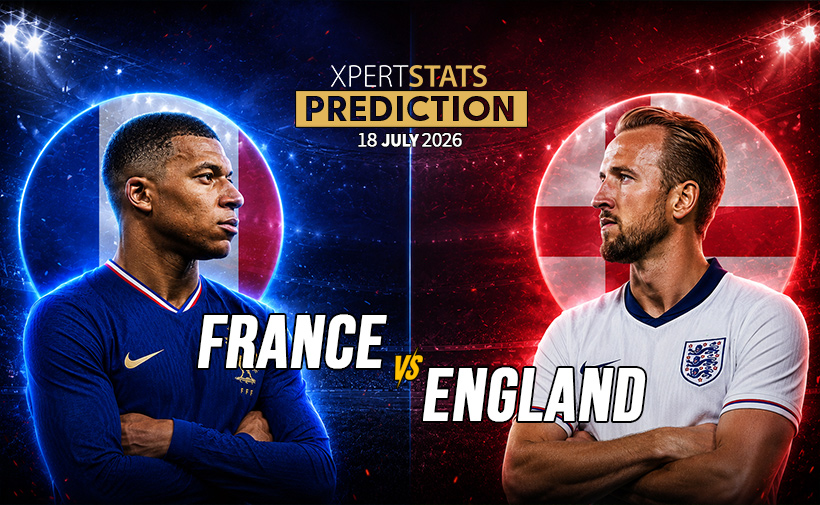
France arrive as the steadier side, but the semi-final exposed how uncomfortable they can look when midfield access is blocked. England carry a different scar, having surrendered control after taking the lead. That contrast matters because one team was suffocated, while the other invited pressure.
Les Bleus should again build around rapid wide rotations and Mbappé's ability to attack the space behind England's full-backs. Cherki can drift into softer central pockets, with Barcola and Dembélé stretching the pitch. The danger is impatience: when France chase the perfect opening, their buildup can become oddly static.
England's best moments are likely to come through direct breaks rather than long spells of possession. Kane can connect midfield runners, Rashford offers depth, and Madueke brings the one-against-one aggression that unsettles tired defenders. Still, dropping too deep would repeat the mistake that turned their semi-final from control into panic.
Set pieces and second balls could quietly shape this game. Both teams have aerial strength, yet rotation may disturb marking partnerships and defensive timing. Corners should arrive when the wide players force hurried clearances, while cards may depend less on hostility and more on late tackles from physically drained midfielders.
The mood is strange. Tuchel admitted, “None of our players and none of the French players want to play this match,” while Deschamps framed it as one final responsibility. Once the whistle goes, pride takes over. France look better equipped to lift the tempo, though England can punish careless transitions.