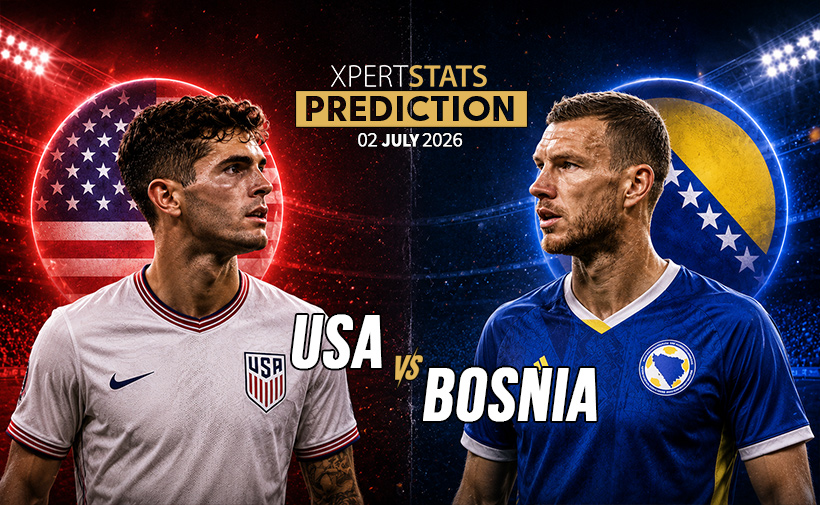
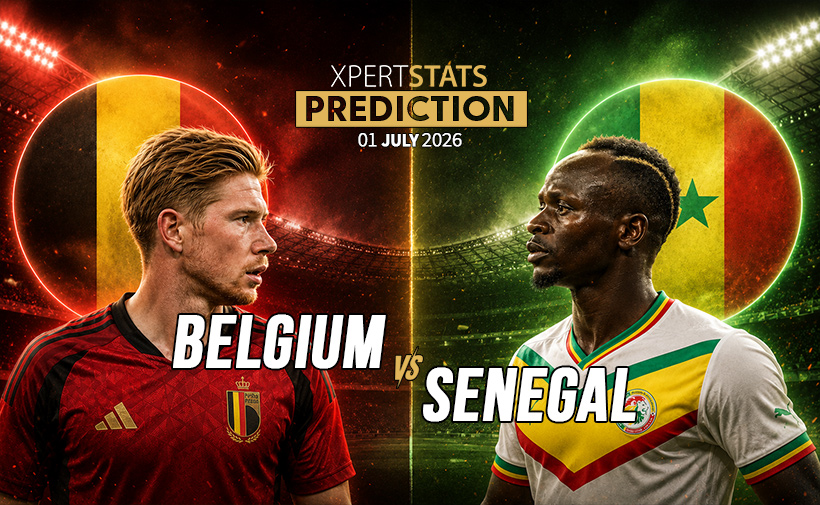
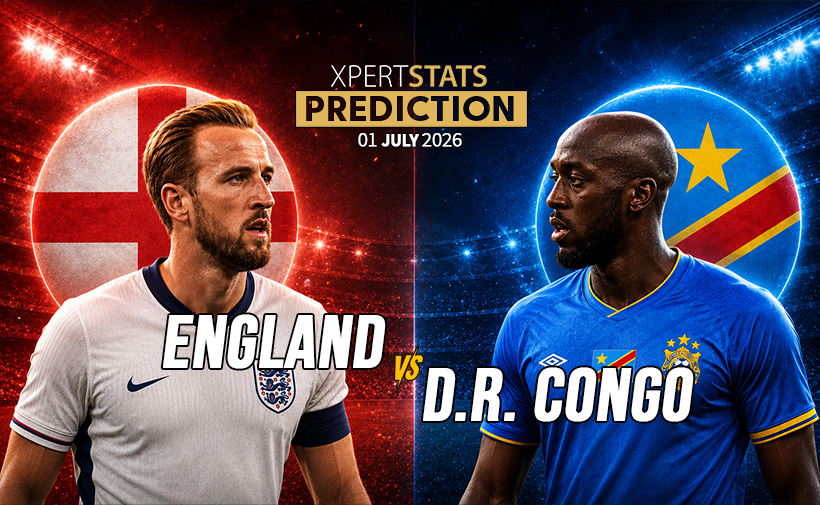
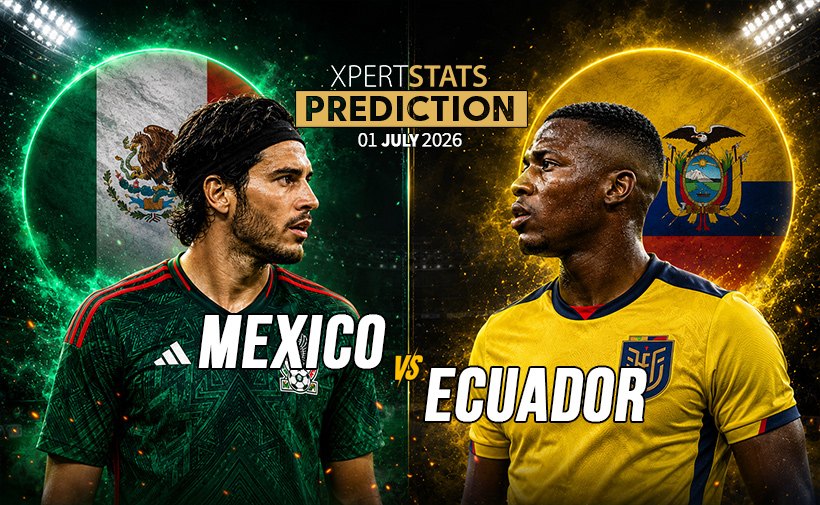
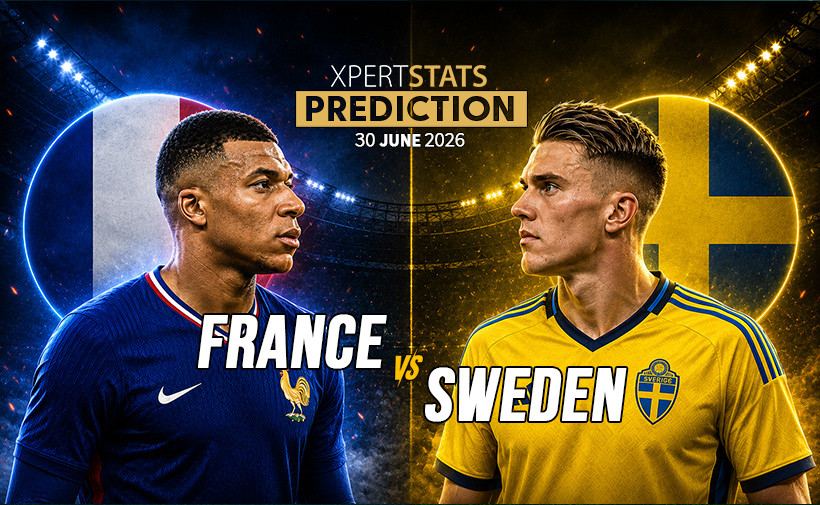
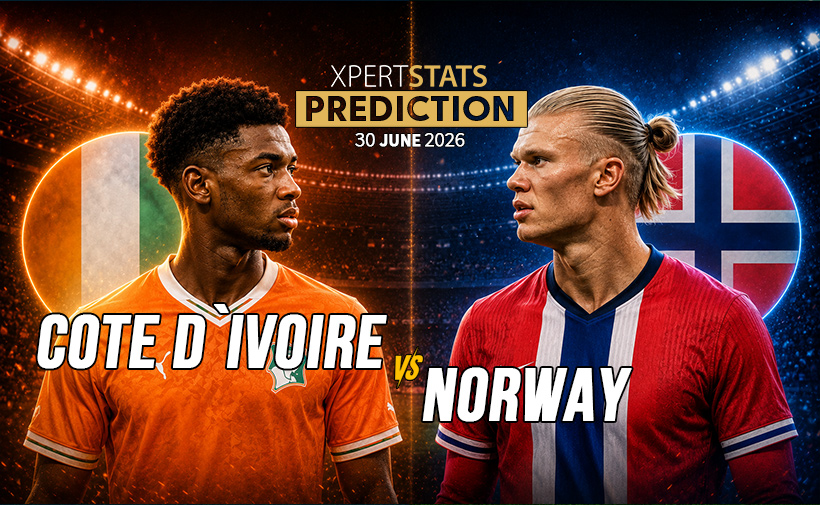
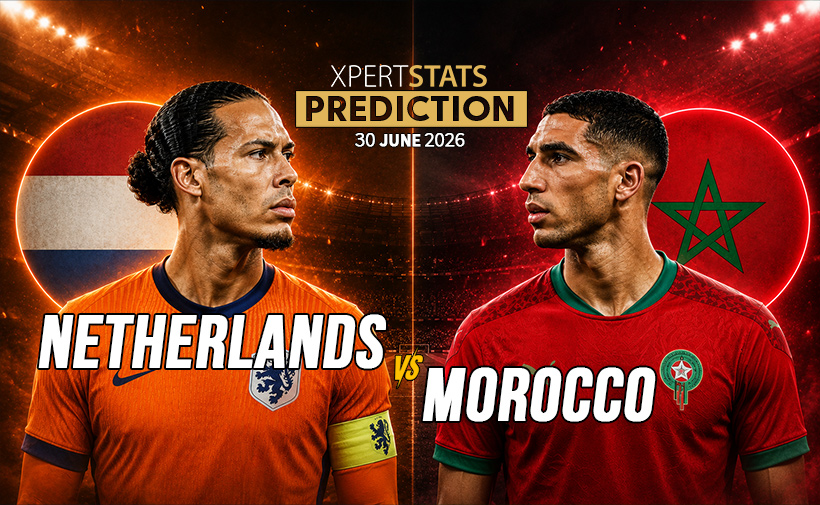
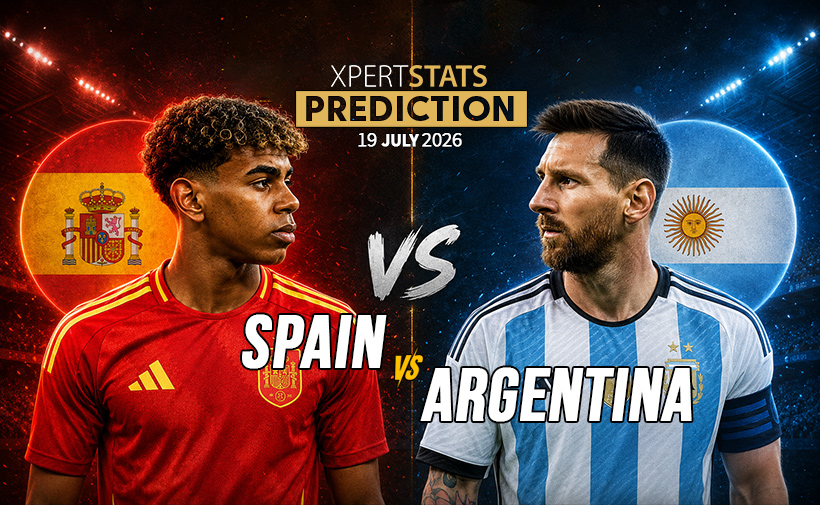
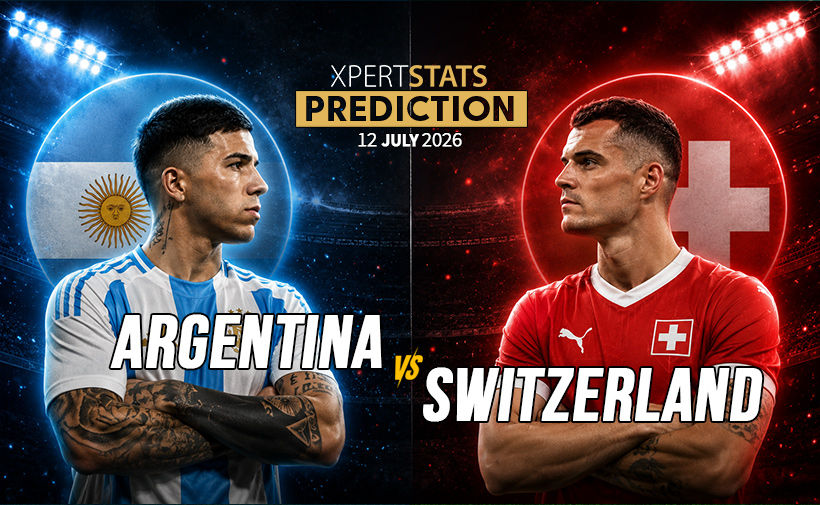
World Cup Predictions
The World Cup is football at its most compressed: limited prep, unfamiliar opponents, and pressure that makes every decision heavier than in club football. For sharper World Cup predictions, keep emotions in check and ground your reads in the data on XpertStats.
Brazil, Argentina, Germany, Italy, France, England, Spain, and the Netherlands bring history and expectations, while Uruguay, Portugal, Croatia, Belgium, Mexico, USA, and Japan can swing a group with one disciplined plan. Use these match previews and tournament insights as practical World Cup betting tips tailored to short samples, rotation risk, and knockout tension.
Tournament angles that separate winners from guesswork
- Incentives: read group stage scenarios to spot when risk is reduced and when a must win game forces aggression.
- Rotation: track squad management after qualification is close, because fresh legs often change second half tempo.
- Travel: factor flights, climate, and recovery windows that can reshape pressing intensity and late game energy.
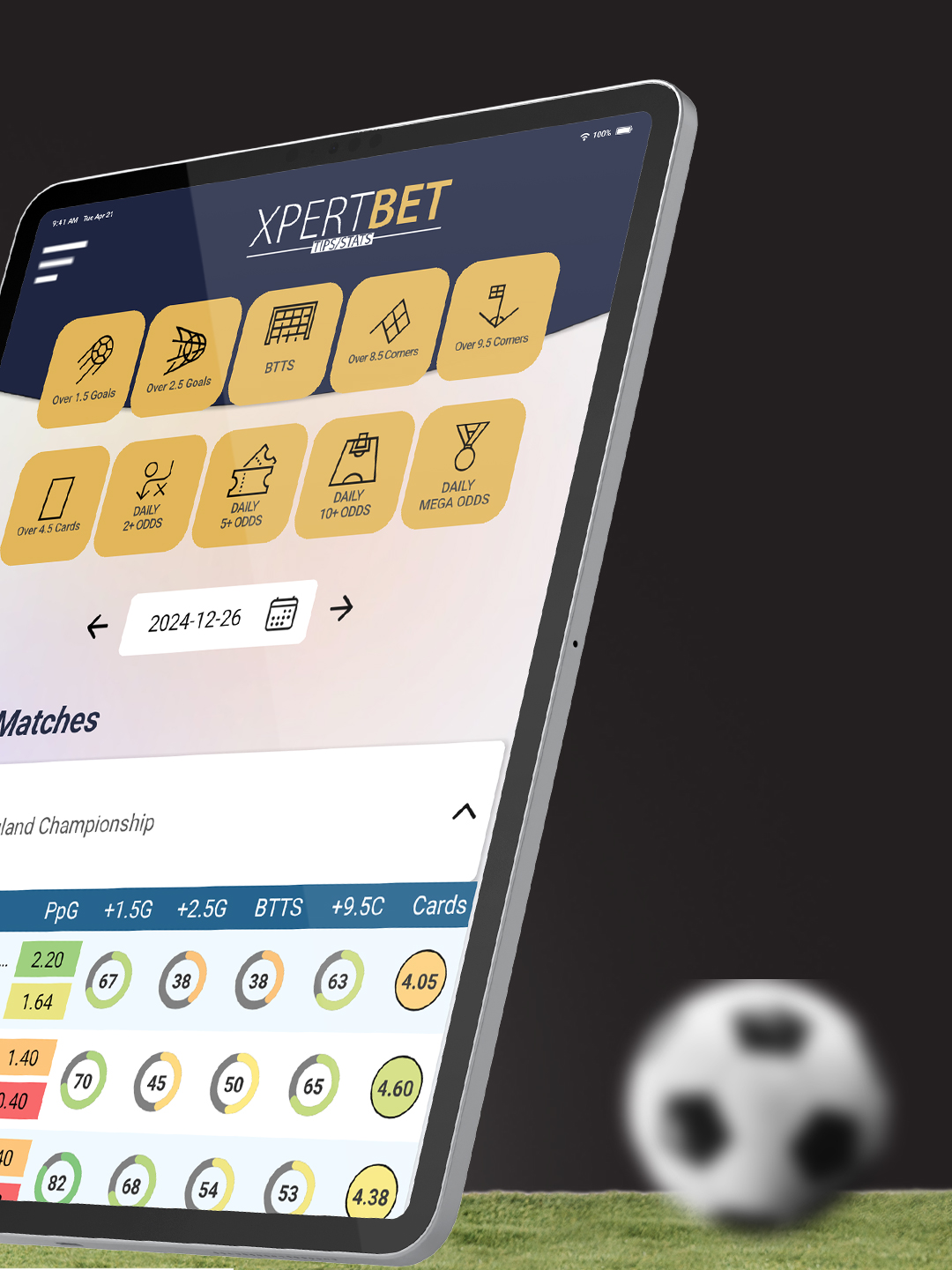
- Totals: compare Over 1.5 Goals Stats, Over 2.5 Goals Stats, and Over 3.5 Goals Stats with average goals to align expectation with tournament scoring profiles.
- Quality: validate threat with xG indicators so one clinical finish does not distort your read.
- Timing: use 1st half goals Stats and 2nd half goals Stats to spot late surges when urgency rises.
- Pressure: check Over 8.5 Corners Stats, Over 9.5 Corners Stats, and Over 10.5 Corners Stats when territorial dominance turns into repeated deliveries.
- Discipline: combine Cards Stats, Fouls Stats, and referee card Stats tendencies for rivalry matches and knockout fixtures where tension spikes.
FAQ for World Cup match previews
How should I treat a group match where a draw benefits both teams?
Expect fewer risks in buildup, less aggressive pressing, and more controlled possession. Compare xG indicators with 1st half goals Stats to confirm whether the match is trending cautious before trusting higher totals.
When does Both Teams to Score make sense in a tournament?
Both Teams to Score is strongest when both sides need points and are willing to trade transitions. Validate with shots on target Stats and recent attacking trends, not just big names on the shirt.
How can Over 2.5 Goals Stats be used without chasing chaotic highlights?
Over 2.5 Goals Stats fit best when chance creation is repeatable across phases, pressing, transitions, and set pieces. Cross check with average goals and xG indicators to see if the total is supported by quality.
Why do corners markets matter in knockout football?
Central lanes tighten, so attacks often become wide pressure and blocked deliveries. In those matchups, Over 9.5 Corners Stats can capture territorial control even when finishing stays tight.
How do Cards Stats and referee card Stats tendencies help in high pressure fixtures?
International rivalries and elimination games can increase tactical fouls and frustration. Pair Fouls Stats with Cards Stats and referee card Stats tendencies to anticipate whether the match is likely to become stop start.
General Overview
The World Cup is defined by constraints: short preparation, varied styles, and pressure that changes how teams defend leads and chase deficits. A favorite can control possession and still lose on one transition or one set piece routine.
For reliable World Cup predictions, start with tournament logic before reputation. Group incentives, rotation decisions, and the emotional load of knockout stages often explain why a match plays differently than a club fixture on paper.
Data keeps everything honest. average goals and xG indicators reveal whether chances are deserved, while Both Teams to Score and Over goals profiles show how often matches truly open up. Add corners, discipline, and shot quality to avoid being misled by one dramatic scoreline.
Whether you are reading Brazil versus Germany style classics or underdog breakthroughs from teams like Japan or Morocco, the same process holds. Blend smart World Cup betting tips with World Cup statistics to keep decisions consistent match by match.