Manchester United’s Penalty Controversy Against Bournemouth Explained

Share
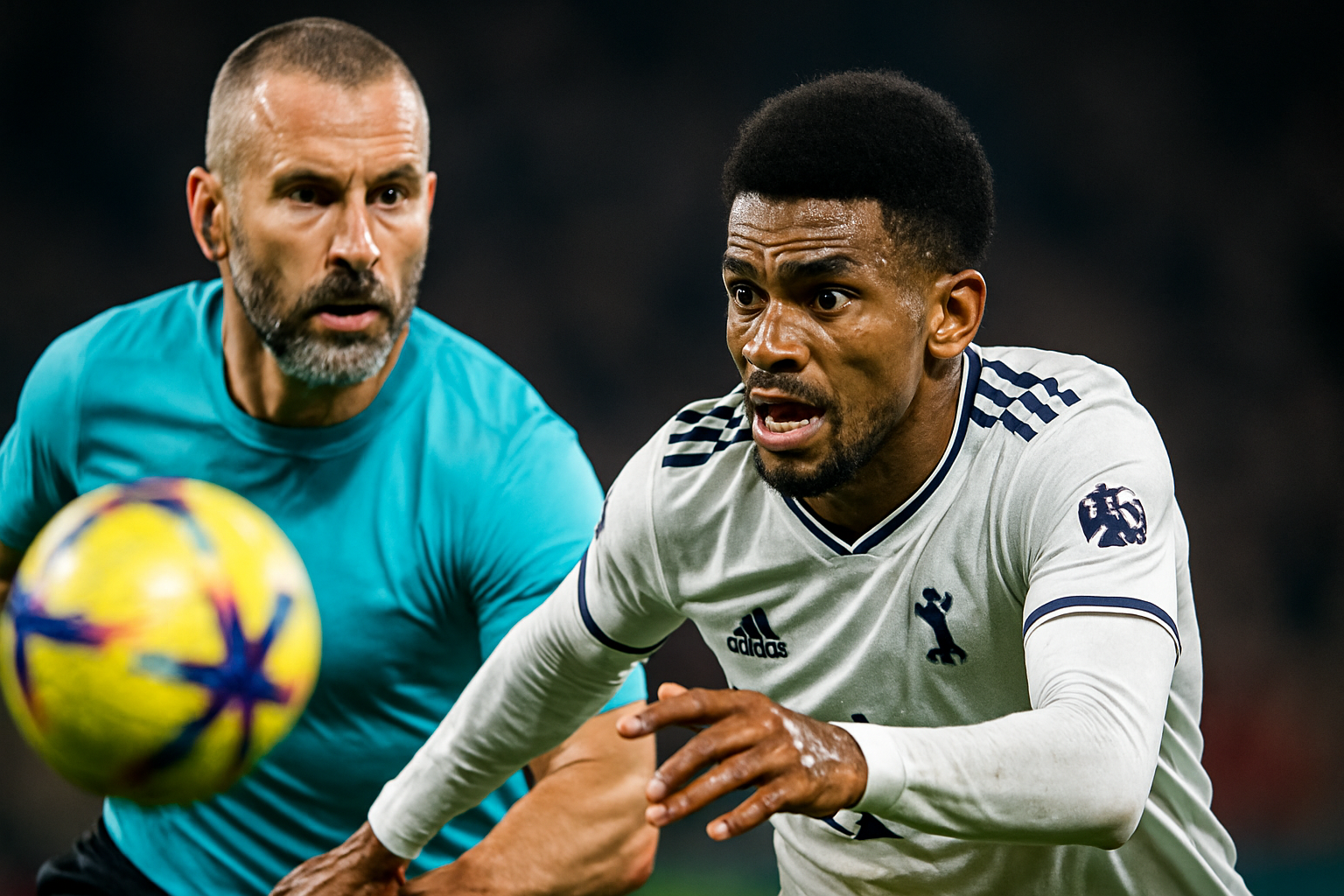
Manchester United Denied penalty Amid Controversial Incidents Against Bournemouth
In a thrilling encounter that ended in a 2-2 draw, Manchester United faced a contentious moment when they were denied a penalty at Bournemouth. The decision has sparked debate, focusing on the “speed of attackers” as explained by officials. United had previously led the match, but the late drama left fans questioning key calls made by the referees.
Key Highlights
- Manchester United had two penalty incidents analyzed during the match.
- Amad Diallo’s penalty appeal was rejected despite contact from Adrien Truffert.
- Harry Maguire received a red card for a foul on Evanilson, resulting in Bournemouth’s equalizing penalty.
- Referee Howard Webb emphasized the difference in speed between the two attacking players in question.
Bruno Fernandes opened the scoring for United, followed by a bizarre own goal from Bournemouth’s James Hill. However, Ryan Christie equalized for the hosts, and a late penalty converted by Eli Junior Kroupi ensured Bournemouth secured a point. The incidents surrounding the penalties raised eyebrows, especially since Fernandes scored from the spot for a foul on Matheus Cunha.
As the match progressed, United’s Amad Diallo was brought down by Truffert, but his plea for a penalty was met with dismissal from the on-field officials and VAR. Webb stated that the assistant referee didn’t see the incident as he was focused on the line, leading to the controversial decision. He noted that while there was contact, the speed at which Diallo was moving played a crucial role in the decision-making process.
On the contrary, when Maguire fouled Evanilson, it was deemed a clear foul due to the latter’s pace. Webb explained that the referee’s decision was respected by VAR, and Maguire’s actions warranted a red card and a penalty for Bournemouth. The contrasting decisions left both fans and players bewildered, with Fernandes expressing frustration over the inconsistency.
Michael Carrick, United’s head coach, echoed his captain’s sentiments, labeling the decisions as “baffling”. He argued that both incidents were nearly identical but resulted in different outcomes, which he found unacceptable. Carrick stated, “If you get one, you must get the other.” His comments highlight the ongoing scrutiny of VAR in football, particularly how subjective decisions can drastically alter the course of a match.
Ultimately, the match at Bournemouth showcased not only the thrilling nature of Premier League football but also the complexities and challenges of officiating at the highest level. As the debate continues, the focus remains on how such incidents will influence future matches and the necessary adjustments to VAR protocols.
FAQ
- What were the key incidents in the match between Manchester United and Bournemouth?
Two significant penalty incidents occurred: one for Amad Diallo that was denied, and one for a foul on Evanilson that resulted in a penalty for Bournemouth. - Why was Amad Diallo’s penalty appeal dismissed?
The officials believed that the contact was insufficient due to the speed at which Diallo was moving, which influenced their decision not to award a penalty. - What did Howard Webb say about the decisions?
Webb highlighted the differences in the speed of the attackers involved in the incidents, suggesting this played a critical role in the referee’s judgment. - How did Michael Carrick respond to the referees’ decisions?
Carrick expressed frustration, stating that both incidents were similar and questioned the inconsistency in the officiating.