USMNT’s Road to 2026: Analyzing Player Depth and Lineup Challenges

Share
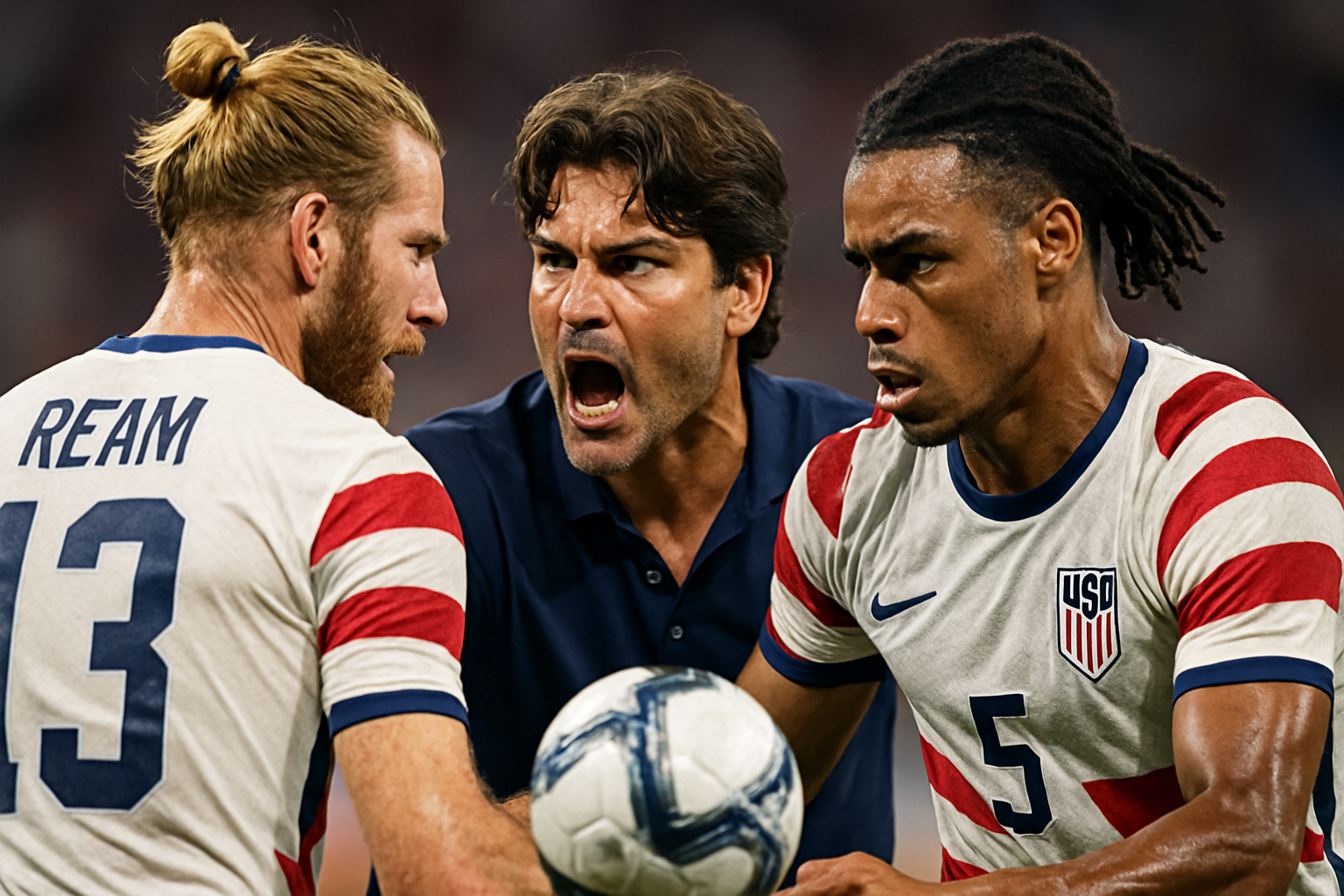
USMNT‘s Journey to the 2026 World Cup: Analyzing the Player Pool
As the U.S. men’s national team (USMNT) reflects on its 3-1 defeat to the Netherlands in the 2022 World Cup round of 16, the next 3.5 years promise to be pivotal. Co-hosting the expanded 2026 World Cup means the team is already qualified, and thus, they won’t engage in meaningful matches until the tournament kicks off.
Key Highlights
- USMNT’s upcoming matches against Portugal, Senegal, and Germany.
- Significant coaching changes with Maurice Pochettino at the helm.
- Concerns over central defense depth and team chemistry.
- Exciting emerging talents vying for a spot in the 2026 lineup.
From splitting and rehiring coach Gregg Berhalter to winning two Nations Leagues and experiencing disappointing exits from two Gold Cups, the USMNT has faced a whirlwind of changes. Yet, the crux of their preparations revolves around how the squad will shape up for the summer of 2026.
With three matches set before the World Cup—against Portugal in Atlanta, Senegal in Charlotte, and Germany in Chicago—fans are eager to see how coach Pochettino’s lineup evolves. Notably, many stalwarts from the 2022 squad remain, but increasing depth across positions raises questions, especially in central defense, where fragility could be a concern.
Moreover, chemistry poses another challenge. Recent projections by Jeff Carlisle highlight that many starters under Pochettino have yet to play together on the pitch. This lack of on-field familiarity could hinder the team’s cohesion come World Cup time.
Let’s delve deeper into the player pool, examining each position as we prepare for the critical months ahead.
Goalkeeper Insights: The average age under Pochettino is 28.4 years. Matt Turner remains a key player, but his club struggles raise doubts. Meanwhile, Matt Freese has emerged as a contender, logging significant minutes. The competition for the starting position is heating up, especially with younger names like Gaga Slonina still in the mix.
Center-back Stability: Averaging 30.6 years, this position showcases veterans like Tim Ream and Chris Richards. However, injuries have plagued the squad, and with the likes of Ream looking his age against Belgium, new talent will need to step up.
Wing-back Dynamics: The average age here is a youthful 23.7, with promising players like Joe Scally and Tim Weah. The depth appears promising, but injuries have disrupted form for some key players. Pochettino’s recent selections suggest a bright future as younger names force their way into discussions.
Midfield Magic: With an average age of 25.1, the midfield sees players like Tyler Adams and Weston McKennie at the forefront. However, injuries have limited their appearances. Emerging talents like Sebastian Berhalter are making their mark, adding depth and versatility to the squad.
Wingers and Attackers: Averaging 24.1 years, this group includes stars like Christian Pulisic. Despite injuries, the attacking options are exciting, with younger players like Malik Tillman stepping up to fill the gaps.
Center-forwards: The average age here is 25.2, with players like Haji Wright and Ricardo Pepi leading the line. A surge in performance from Patrick Agyemang and Folarin Balogun has transformed this position into a strength for the USMNT, indicating a brighter future.
In conclusion, as the USMNT gears up for the 2026 World Cup, the key challenges include fostering team chemistry and enhancing depth, particularly in central defense. However, with a blend of experienced players and emerging talents, the team stands poised for an exciting journey ahead.
FAQ
- What are the upcoming matches for the USMNT before the World Cup?
They will play against Portugal, Senegal, and Germany. - Who is the head coach of the USMNT?
Mauricio Pochettino is currently leading the team. - What concerns exist regarding the USMNT’s squad?
Issues with depth in central defense and team chemistry are significant concerns. - Which players are expected to emerge as key figures?
Young talents like Matt Freese and Sebastian Berhalter are showing promise.