The Rise of Ultras: Passion and Community in Scottish Football

Share
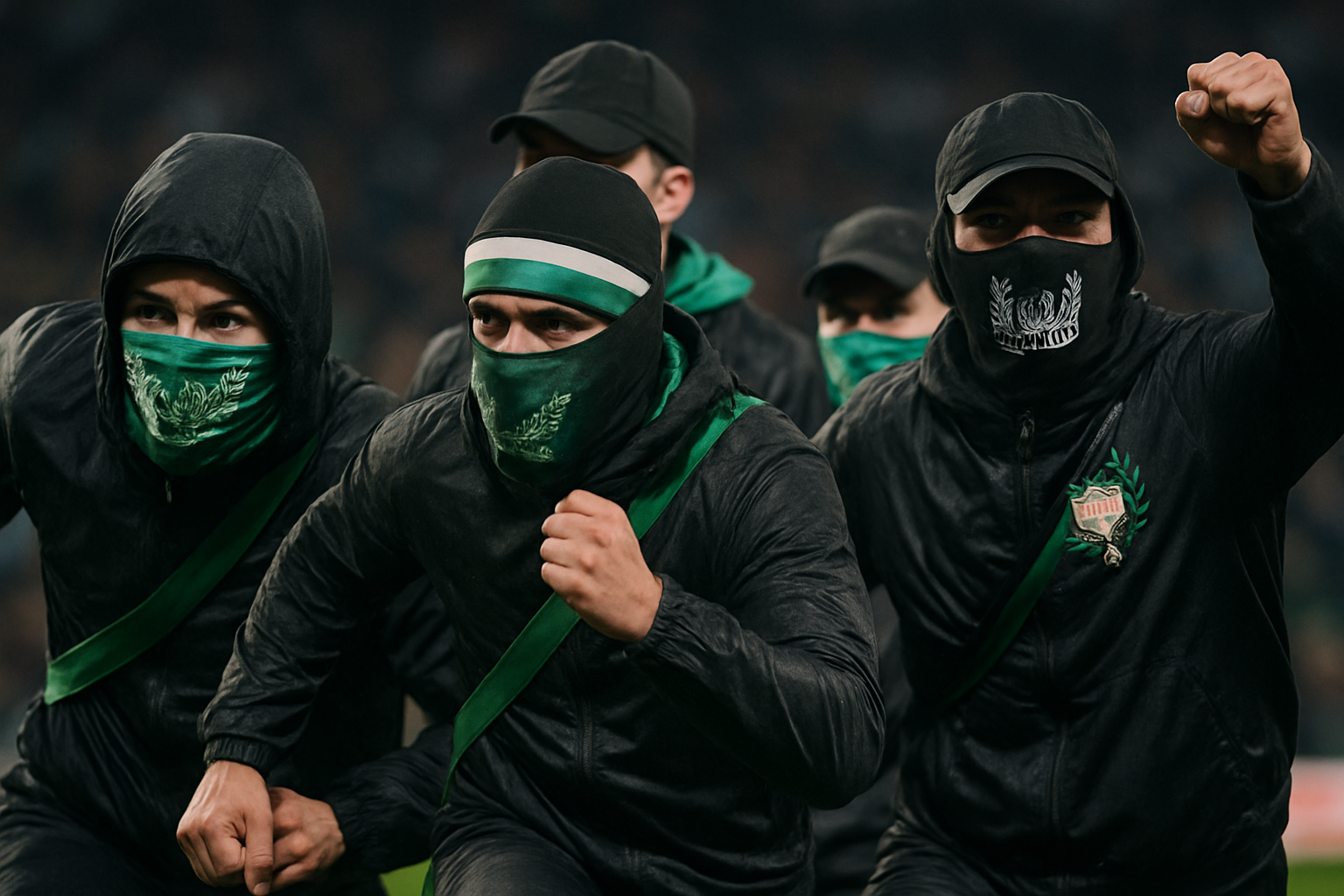
Exploring the Rise of Ultras Culture in Scottish Football
Welcome to the vibrant world of football Ultras, where passion meets camaraderie in Scottish stadiums. A new three-part BBC Scotland documentary delves into this subculture, highlighting its multifaceted nature beyond the smoke bombs and chants.
Key Highlights
- Documentary showcases the rise of Ultras in Scottish football.
- Young fans are reshaping the atmosphere in stadiums.
- Influencer Blair McNally shares insights from his social media success.
- Debate continues regarding the impact of Ultras on local communities.
Inspired by the dynamic terrace cultures of Europe, a fresh wave of young fans is making their presence felt both inside and outside the stadiums across Scotland. The documentary raises questions about whether these Ultras are a hindrance or a boon in a football landscape increasingly dominated by corporate interests.
Despite their reputation for aggression, the Old Firm Ultras opted out of participating in the documentary, adhering to a long-established code of silence. This decision underscores the challenge faced by supporters who wish to showcase a more positive side of the Ultras scene.
The documentary features Blair McNally, a prominent influencer who captures Ultras culture on social media. His TikTok videos have amassed over 62 million views, while his YouTube channel has attracted 10 million viewers. “What these young ultras bring is an energy and a passion,” he remarks. Fans from around the globe, including Croatia and Japan, express their admiration, saying, ‘I wish we had this.’
Another key voice in the documentary is Manpreet Singh, leader of the Partick Thistle Ultras. He shares how the group formed during the isolation of the Covid pandemic, a time when fans were barred from stadiums. They found a way to gather by the canal to watch their team, celebrating victories with flares and songs, marking the beginning of a unified support group.
However, the rise of Ultras culture isn’t without its complications. David Kennedy, general secretary of the Scottish Police Federation, cautions about the impact of these gatherings on local communities. Increased police presence at matches diverts resources from regular neighborhoods, raising concerns among residents and authorities alike.
The documentary also sheds light on how Ultras groups often engage in confrontational behavior with authorities, as well as with fellow supporters who may not appreciate the boisterous displays. Yet, it’s essential to recognize the deeper roots of this culture, which trace back to South America and Europe in the 1960s, where a strong anti-authority sentiment fueled the rise of organized supporter groups.
While some may view Ultras as mere troublemakers, others argue they bring vitality and excitement to the game. Sean McDonald, a podcast host featured in the documentary, states, “If we stamp it out, we lose the theatrics, we lose the colour, we lose the noise and we lose the passion around football.” This sentiment captures the essence of what many fans believe: Ultras can enhance the football experience, even if challenges arise.
Ultimately, the documentary illustrates the complexity of the Ultras scene in Scottish football, showcasing its diversity and the different motivations that drive fans to become part of this passionate community.
FAQ
- What is the Ultras culture in Scottish football?
Ultras culture refers to a passionate and organized group of fans who create vibrant atmospheres at matches, often through displays, chants, and coordinated efforts to support their teams. - Who is Blair McNally?
Blair McNally is a vlogger and social media influencer known for documenting Ultras scenes across Scotland, with millions of views on platforms like TikTok and YouTube. - What challenges do Ultras face?
Ultras face scrutiny from authorities, media, and local communities due to confrontational behavior and the impact their gatherings have on public safety and order. - How has Covid influenced the Ultras movement?
The isolation during Covid restrictions led to a resurgence of Ultras groups as fans sought to connect and support their teams in creative ways, even from outside stadiums.