Iran’s Zahra Ghanbari Withdraws Asylum Bid Amid Political Pressure

Share
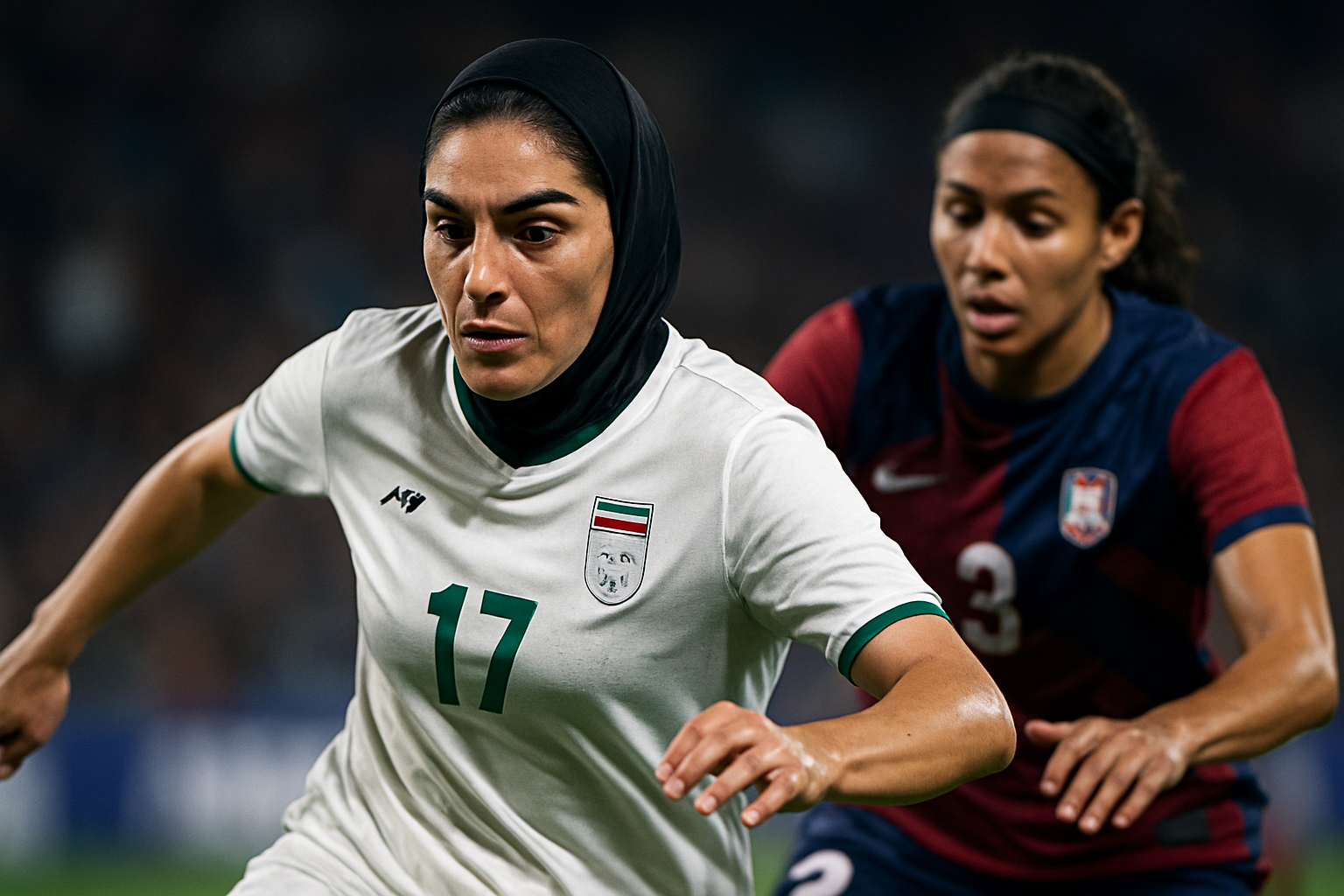
Iran’s Zahra Ghanbari Withdraws Asylum Bid Amidst Growing Pressure
The captain of Iran’s women’s football team, Zahra Ghanbari, has decided to withdraw her asylum application in Australia, as reported by Iranian state media. This marks a significant turn in the ongoing saga surrounding the team, with Ghanbari becoming the fifth member of the delegation to change her mind.
Key Highlights
- Ghanbari was one of seven team members who initially sought asylum.
- Concerns arose regarding potential repercussions for the team after their silent protest during the national anthem.
- The Australian government confirmed that only two players now remain in the country.
- Human rights activists allege that the players faced pressure from Iranian authorities.
Reports indicate that Ghanbari will return to Iran from Malaysia, a decision that has drawn both astonishment and concern. Australian officials have confirmed that another unnamed member of the team has also dropped their asylum application, following the withdrawal of three other female players just a day prior. The players had initially sought sanctuary after fears that they would face severe repercussions for their actions during the opening match of the Asian Cup.
Human rights activists assert that the withdrawals may have stemmed from intense pressure placed on the players and their families by Iran’s Football Federation and the Islamic Revolutionary Guard Corps (IRGC). Shiva Amini, an exiled former Iranian national futsal player, revealed that the pressure was systematic and relentless, leading several players to reconsider their choices.
Iranian media have hailed Ghanbari’s return, framing it as a patriotic decision. The IRNA news agency stated that she was “returning to the embrace of the homeland,” while the Mehr news agency echoed this sentiment. On the other hand, critics and activists view these statements as part of a larger narrative aimed at downplaying the pressures the players faced.
In a statement, Australia’s Home Affairs Minister Tony Burke emphasized that the government had provided genuine choices for the players and had done everything possible to ensure their safety. “While we can ensure opportunities are offered, we cannot erase the context of the decisions these players are making,” Burke noted.
Given the Iranian women’s football team’s refusal to sing the national anthem during their match against South Korea, they were branded as “wartime traitors” at home, heightening concerns for their safety. The team eventually sang the anthem in their subsequent matches, leading to speculation that they were coerced into compliance by government officials accompanying them.
As the situation unfolds, many are left wondering what this means for the remaining team members and the future of women’s football in Iran. The ongoing geopolitical tensions in the region only add to the complexity of their plight, as the world watches closely.
FAQ
- Why did Zahra Ghanbari withdraw her asylum bid?
Ghanbari reportedly faced immense pressure from Iranian authorities regarding her decision, which influenced her return to Iran. - How many players from the Iranian women’s football team are still in Australia?
Currently, only two players remain in Australia after several withdrawals. - What prompted the players to seek asylum in Australia?
The players feared repercussions for their silent protest during the national anthem at the Asian Cup. - What does the Iranian media say about Ghanbari’s decision?
Iranian media have framed her return as a patriotic choice and a victory against foreign pressures.