Iran Women’s Football Team: Heroes Fighting for Freedom

Share
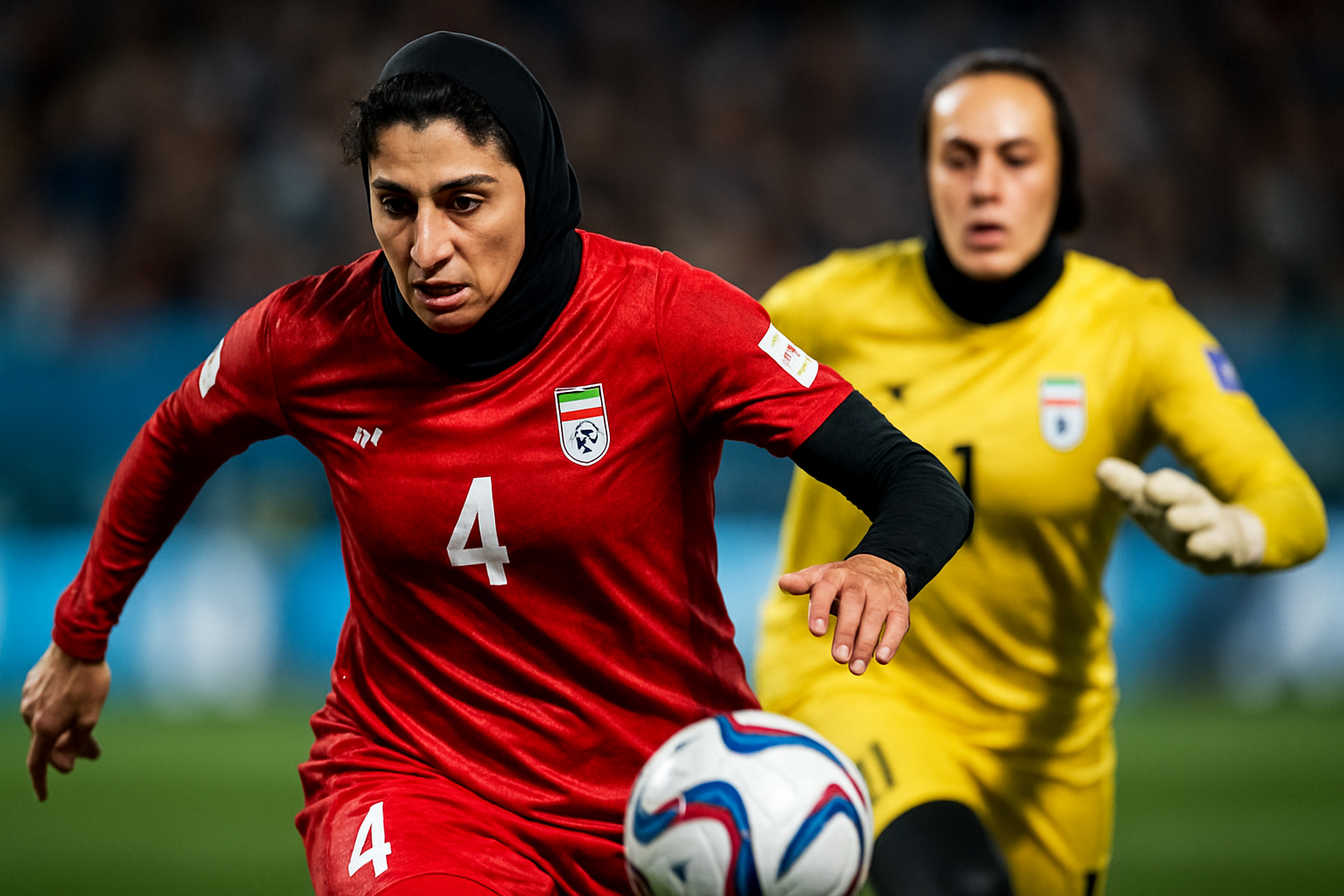
Iranian Women’s Football Team: A Stand for Freedom
The Iranian women’s football team has recently captured global attention, becoming “heroes” for their courageous stand during the national anthem at the Asian Cup, according to former Iran men’s coach Afshin Ghotbi. This act of defiance resonates deeply amid escalating political tensions and anti-government protests in Iran.
Key Highlights
- The team chose not to sing the national anthem before their opening match against South Korea.
- In later matches, they sang and saluted, showcasing their resilience.
- Humanitarian visas were granted to five team members to remain in Australia.
- Coach Ghotbi emphasizes the significance of their actions in the context of freedom and identity.
In their opening match against South Korea on March 2, the players remained silent during the anthem. This powerful gesture came in light of the recent military strikes by the United States and Israel against their homeland. The situation in Iran is dire, as the country has retaliated with missile and drone strikes directed at Israel and Gulf nations hosting U.S. military bases.
Additionally, the political climate has been particularly volatile, with reports indicating that over 7,000 protesters were killed during a crackdown by security forces in the wake of anti-government demonstrations that surged in December and January. While some Iranians held out hope that these military actions could catalyze a regime change, skepticism looms large.
In subsequent matches against Australia and the Philippines, the players did sing and salute, demonstrating a complex interplay between individual and national identity. Ghotbi, visibly emotional, remarked, “Imagine the pressure. You want to compete at your best, but before even the game starts, you have to decide how you’re going to stand and what you’re going to do. It’s an unfair burden to bear.”
He drew parallels to the men’s team, who faced similar dilemmas during the 2022 World Cup in Qatar, caught between government expectations and the sentiments of their supporters. The women’s team’s initial silence led to speculation that they were coerced into singing the anthem by government officials accompanying them.
Concerns for the team’s safety arose after a state TV host labeled them “traitors” for their stance. Ghotbi expressed hope that international attention would protect them: “These women have become symbolic. Everyone around the world will be watching how they are treated. I hope politicians allow them to live their lives freely.” On Monday, five team members received humanitarian visas, while others departed Australia amidst safety concerns.
“All people deserve freedom. They deserve the basics in life. These women are fighting for the right to be themselves,” Ghotbi added, encapsulating the broader struggle for personal liberty and societal acceptance.
Meanwhile, uncertainty looms over Iran’s participation in the upcoming men’s 2026 World Cup, particularly following the U.S. and Israel’s military actions, which included the assassination of Supreme Leader Ayatollah Ali Khamenei. President Trump recently commented that while Iran is “welcome” at the World Cup, it may not be appropriate for them to participate due to safety concerns.
Ghotbi, reflecting on the potential absence of the national team, stated, “I would be devastated. All the players dream of competing there, especially in front of the Iranian diaspora in Los Angeles.” This sentiment echoes his memories of a historic friendly match between Iran and the U.S. in 2000, which united fans from both nations in a spirit of peace and sportsmanship. “I had goosebumps and tears in my eyes, just being proud of the power of the game,” he reminisced.
Frequently Asked Questions
- What was the Iranian women’s football team’s stand during the national anthem?
The team chose not to sing the national anthem in their opening match to protest against the political situation in Iran. - Why did the coach call them “heroes“?
Ghotbi highlighted their bravery in standing up for their beliefs amid intense pressure and threats. - What are the consequences the team faces for their actions?
There are concerns for their safety, with some labeled as “traitors” by state media, but humanitarian visas were granted to some players in Australia. - What does the future hold for Iran’s national teams?
There is uncertainty regarding both the women’s and men’s teams’ participation in future tournaments, particularly the 2026 World Cup.