AI in Football: The Challenges and Opportunities Ahead

Share
The Rise of AI in football: Imagery, Identity, and Implications
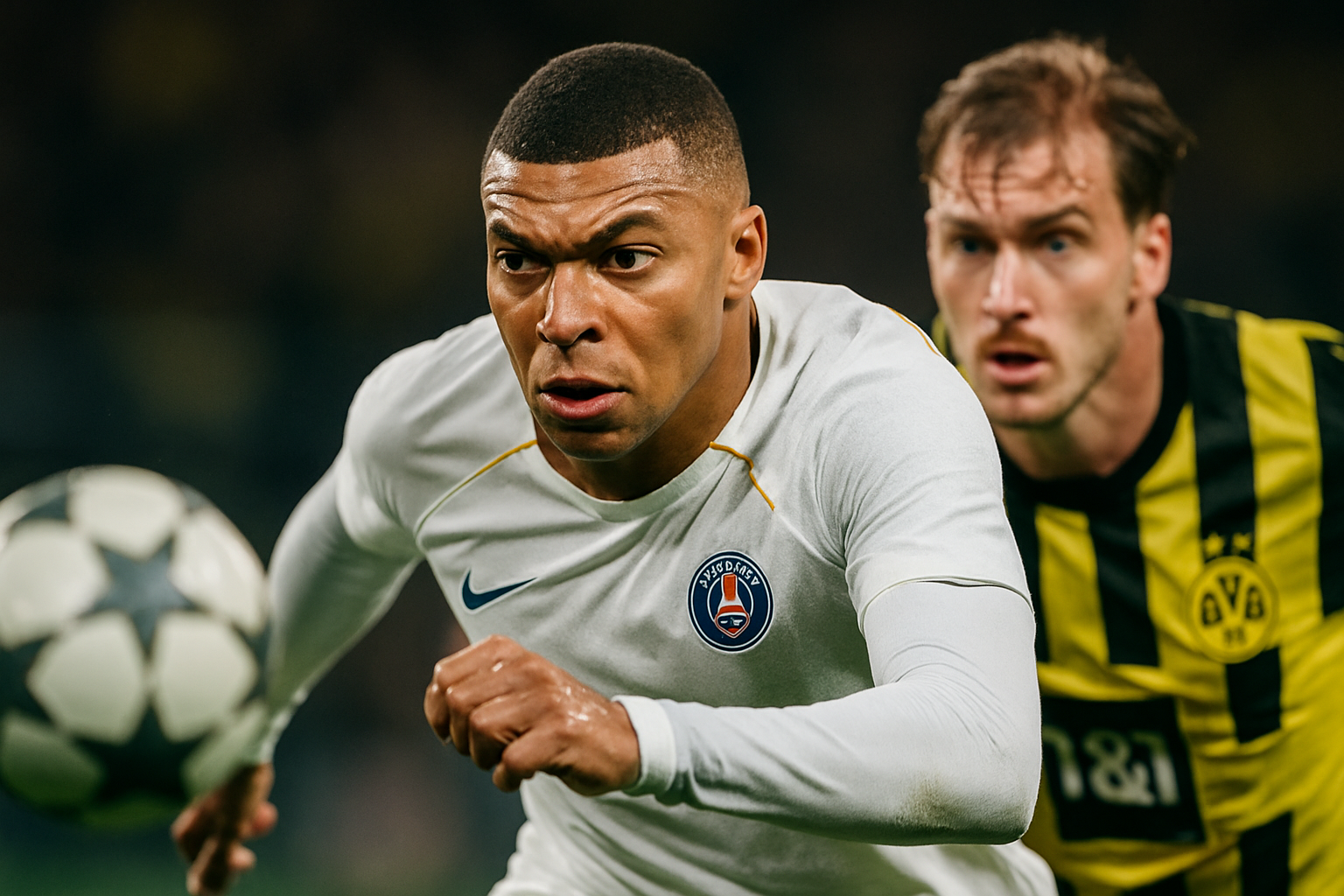
In today’s digital landscape, social media is awash with fantastical images and videos of football stars, often depicting them in absurd and amusing scenarios. From Lionel Messi and Cristiano Ronaldo seemingly giving each other haircuts to Kylian Mbappe riding a ski-lift with a turtle, the creative potentials of artificial intelligence (AI) are on full display.
Key Highlights
- AI-generated content is becoming increasingly sophisticated and accessible.
- Footballers and clubs are grappling with the implications of their likeness being used without consent.
- The UK government is considering new legislation to protect individuals’ image rights.
- There are potential benefits and threats posed by AI in promotional contexts.
The advent of AI, particularly in the realm of deepfake technology, has turned the world of sports imagery upside down. It’s becoming increasingly challenging to discern what is real versus what has been artificially created. While many may find humor in these AI-generated antics, the question looms: when will players or clubs step in to set boundaries?
As football evolves into a commercial powerhouse, athletes and clubs are now more attuned to managing their brands. This includes protecting club crests and combating unauthorized use of player names in promotional ventures. A prime example is Chelsea’s Cole Palmer, who has trademarked the term “Cold Palmer” along with his signature celebration, reflecting a proactive approach in safeguarding his personal brand.
However, creating protections is one thing; countering the relentless wave of AI content is another. In the UK, existing laws offer limited safeguards surrounding an individual’s likeness, commonly referred to in football as image rights. Jonty Cowan, a legal director at Wiggin LLP, pointed out that AI introduces “lots of novel challenges,” leaving governments scrambling to respond appropriately.
AI is increasingly utilized to place players in various scenarios, both real and imagined. For instance, during the January unveilings of Antoine Semenyo and Marc Guehi by Manchester City, AI-produced images circulated showing the players signing contracts alongside manager Pep Guardiola. Despite being entirely fabricated, the images appeared convincingly real, highlighting the potential for misinformation.
Last month, an AI-generated image surfaced depicting Manchester United coach Michael Carrick with a fan, Frank Ilett, known for his quirky vow not to cut his hair until the team wins five consecutive matches. Although the image was fictitious, its realism raised eyebrows.
Cowan noted the difficulties individuals face in addressing these representations unless they can demonstrate reputational or commercial harm. The recent Data (Use and Access) Act criminalizes the creation and distribution of sexually explicit deepfakes, yet the implications of AI content extend far beyond this narrow scope.
Players are particularly vulnerable to “passing off,” where individuals or businesses falsely associate their products or services with a player’s established brand, misleading consumers in the process. In December 2024, the UK government plans to consult on introducing a “personality right,” potentially giving players more leverage in these situations.
Clubs, too, have options at their disposal. The practice of placing players in new kits online is common, but if a club wishes to contest such portrayals, they might explore intellectual property rights related to their logos and designs. BBC Sport reports that Manchester City believes fans recognize official channels as the sole sources of credible news and imagery, but as the boundary between real and AI-generated content continues to blur, that stance may be re-evaluated.
While clubs contemplate legal action against creators of misleading AI content, the process can be long and financially burdensome. A more immediate solution, as Cowan suggests, may be to confront platforms directly. The newly enacted Online Safety Act in the UK places responsibility on these platforms to combat illegal content, potentially leading to enhanced mechanisms for the prompt removal of misleading images.
AI’s dual nature presents both opportunities and challenges. For instance, advertisements can be produced without players needing to engage physically. However, this convenience also opens the door for unauthorized entities to exploit player likenesses for commercial gain.
In a notable incident, the oversight board for Meta banned an AI-created advertisement featuring a manipulated video of former Brazil striker Ronaldo. The content imitated his voice and evaded detection by Meta’s automatic systems, prompting calls for stricter identification protocols for AI-generated content.
The Football Association also faced scrutiny when fake AI-generated interviews appeared during Euro 2024, misrepresenting England coach Gareth Southgate. Though the videos were swiftly removed for violating TikTok’s policies, they had already been viewed by millions, showcasing the far-reaching impact of AI misinformation.
Today, it’s rare for platforms to disclose the use of AI in their content, despite guidelines urging transparency. Cowan predicts minimal changes to existing laws, but stricter regulations may emerge for platforms, akin to those requiring influencers to label sponsored content. The crux of the matter lies in whether creators will adhere to these requirements, especially when it concerns egregious deepfakes.
For now, the prevailing sentiment among clubs is that AI is merely a social media trend, but the day may come when they feel compelled to take decisive action against it.
FAQ
- What is the impact of AI on football imagery?
AI is creating realistic but fake images and videos of players, making it difficult to distinguish between real and manipulated content. - Are there any legal protections for footballers against AI misuse?
Current laws provide limited protection regarding image rights, but new legislation may be introduced to strengthen these rights. - What is “passing off” in the context of AI?
Passing off refers to misleading consumers by associating a product or service with a player’s established brand without consent. - How can clubs address unauthorized AI content?
Clubs can challenge platforms directly or explore intellectual property rights related to their logos and branding.