Cartel Violence in Mexico: Implications for the World Cup
Share
Mexico’s Violence and Its Impact on the World Cup
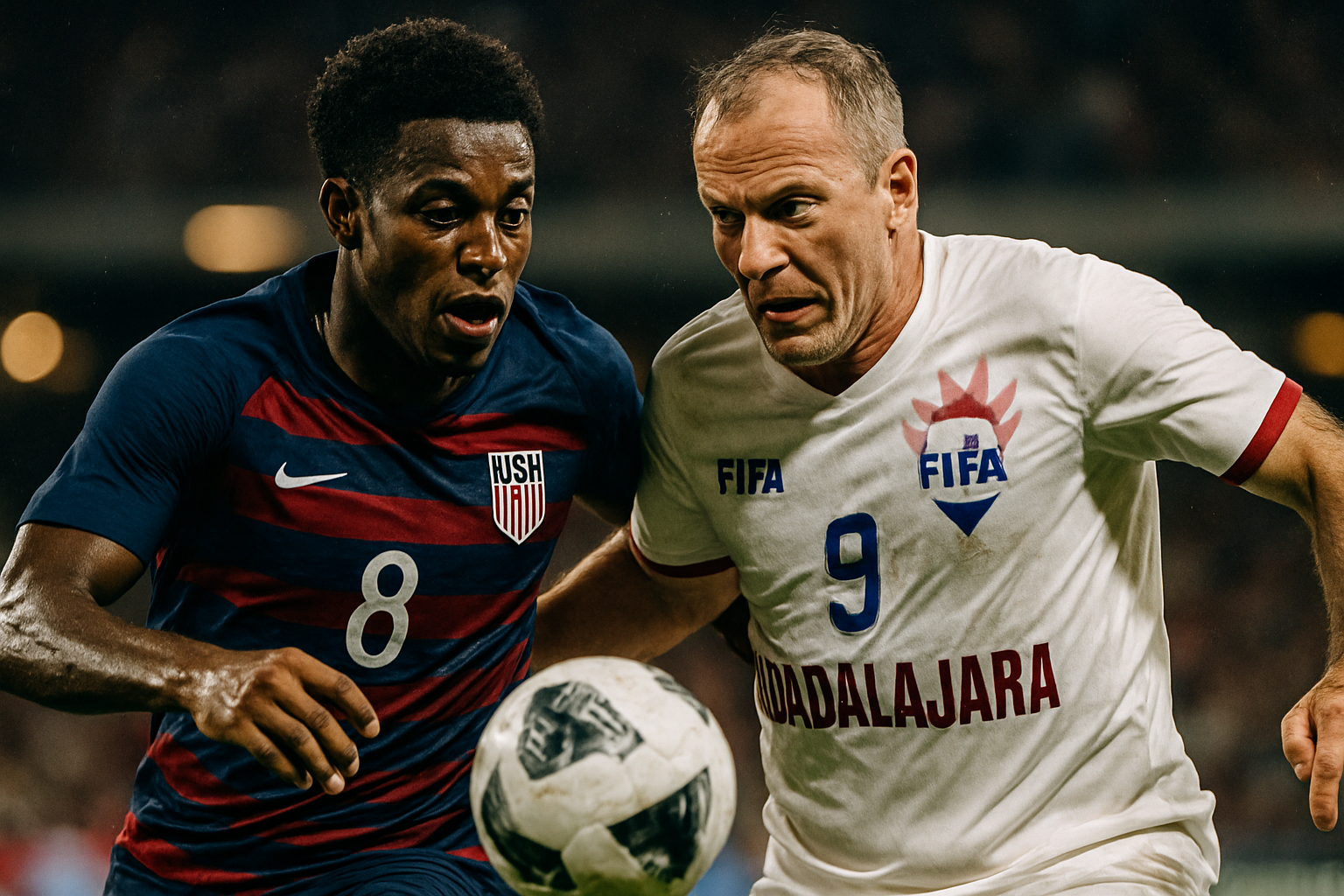
The recent surge in cartel-related violence in Mexico’s Jalisco state has cast a shadow over its capital, Guadalajara, just months before the World Cup. The escalation began on February 22, following the death of notorious cartel leader Nemesio “El Mencho” Oseguera Cervantes, sparking widespread unrest across the country.
Key Highlights
- Violence erupted following the killing of cartel leader El Mencho.
- Major soccer matches were postponed due to security concerns.
- FIFA is monitoring the situation closely as the World Cup approaches.
- Local leaders express confidence in the safety of upcoming events.
In the aftermath of Oseguera’s death, Mexico witnessed retaliatory acts including vehicle arson, road blockages, and vandalism. The violence led to the postponement of several professional soccer matches, including a crucial Liga MX game between Querétaro and FC Juárez, along with a key women’s match featuring Chivas and América.
As the World Cup looms, concerns about fan safety have arisen, particularly for those traveling to Monterrey, Mexico City, and Guadalajara. The situation has raised questions about the feasibility of hosting international matches in the wake of such chaos.
Despite the turmoil, there have been signs of stability. Mexico hosted a friendly against Iceland in Querétaro, attracting over 30,000 fans with no reported incidents. This victory, a 4-0 win, is seen as a positive step as the national team prepares for the World Cup.
However, the recent violence has left apprehensions in its wake. Following a significant military operation that resulted in Oseguera’s death, Mexican authorities reported over 70 fatalities, primarily among the Mexican National Guard and cartel members. The U.S. Embassy has issued travel advisories, urging citizens to exercise caution and stay informed.
Mexican officials, including Jalisco’s governor Pablo Lemus, have reassured that there are no plans to relocate World Cup matches out of Guadalajara. Lemus stated, “There’s absolutely no possibility that FIFA would take games away from Guadalajara,” emphasizing the government’s commitment to maintaining safety for all involved.
FIFA President Gianni Infantino has expressed confidence in Mexico’s ability to host the tournament. He stated, “We have complete confidence in Mexico, its president, Claudia Sheinbaum, and the authorities,” reiterating that he believes everything will proceed smoothly.
As the situation evolves, local leaders remain optimistic about the future of the World Cup in Mexico. The Mexican Football Federation has been actively working to ensure the safety of players, staff, and fans. Coach Javier Aguirre reassured that preparations for the tournament are continuing despite the recent unrest, stating, “We’re very calm, relaxed, training, and we talk about sports. That’s the message I can send to fans as a football coach.”
Visiting nations are keeping a watchful eye on the situation as well. Portugal’s football federation has indicated that they are closely monitoring developments, emphasizing that the safety of their players and staff is paramount. Jamaica’s federation president Michael Ricketts expressed concerns but noted they will wait for guidance from FIFA and Concacaf regarding their upcoming matches in Guadalajara.
As of now, all signs point to Mexico maintaining its status as a World Cup host, but the volatile situation necessitates ongoing vigilance. The world watches closely as this storied nation prepares to welcome fans to one of the biggest sporting events on the planet.