Exploring Iconic Football Goals: The Stories Behind Their Names

Share
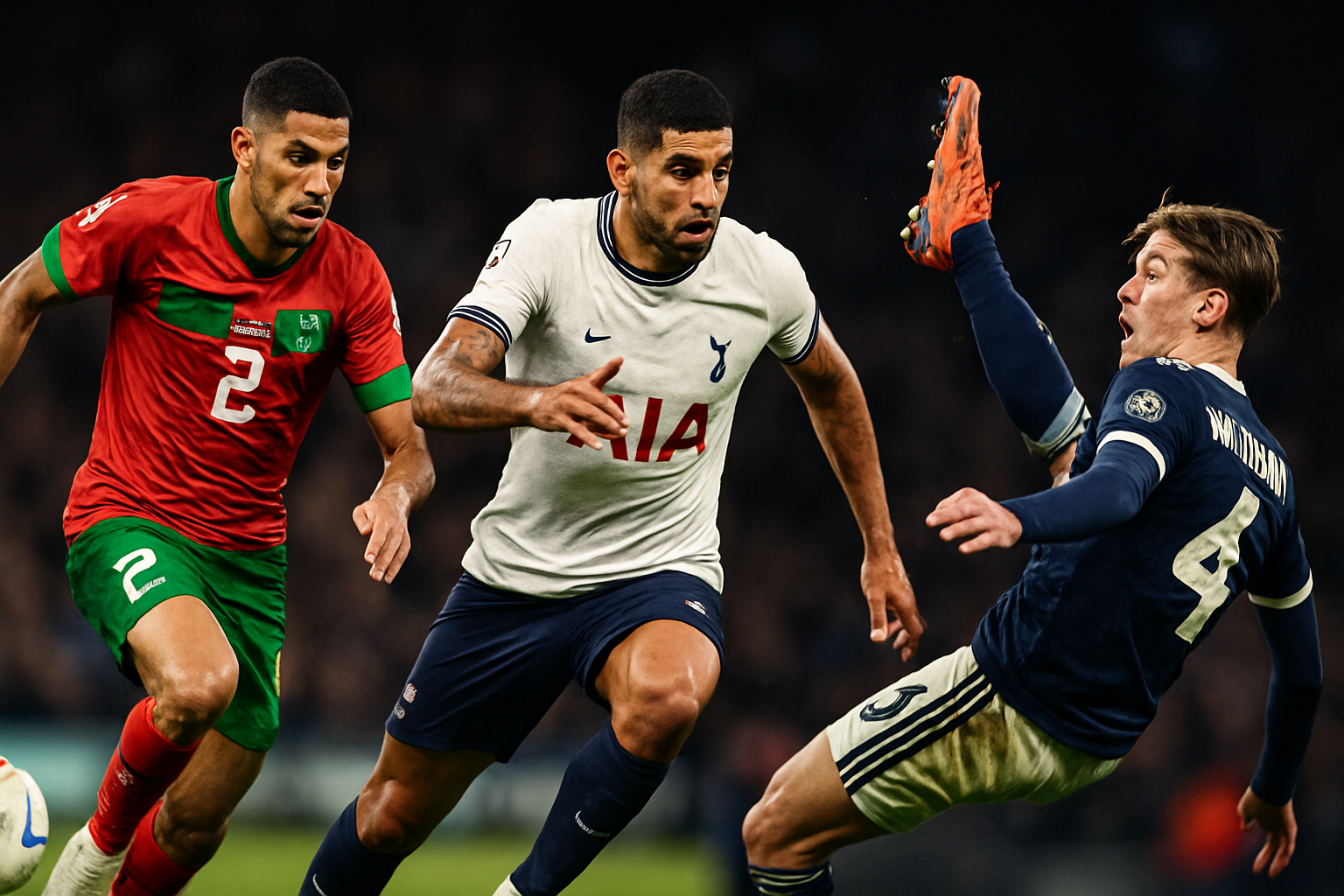
Understanding Iconic football Goals and Their Names
Football is a sport rich in history, and throughout the years, we’ve witnessed iconic goals that not only astound fans but also carry unique stories behind their names. These names often highlight the player who popularized the move or describe the technique itself.
Key Highlights
- Many goals are named after the players who scored them, such as the Panenka.
- Techniques can be named based on their distinctive shapes or execution.
- Some terms come from historical moments in football, like the Olimpico.
- Understanding these names adds depth to the appreciation of the game.
Still, it’s challenging to trace the origins of these terms, especially since reporting was sporadic in the early 1900s, and much of the history remains undocumented. However, some iconic moves have become household names through players’ remarkable performances.
The Panenka is a perfect example of this. Named after Antonin Panenka, who executed a daring penalty kick in the 1976 European Championship, this technique involves gently chipping the ball down the center of the goal. Panenka‘s audacity and skill not only secured victory for Czechoslovakia but also inspired countless players, including legends like Zinedine Zidane and Sergio Ramos, to adopt this bold style.
Another fascinating technique is the scorpion kick, popularized by Colombian goalkeeper Rene Higuita, who famously executed it during a friendly match against England in 1995. This move, where a player flicks their heels up to strike the ball behind them, resembles a scorpion’s tail and requires immense skill. Charlie Wyett, a journalist for the Cambridge Daily News, was one of the first to use the term in his match report, solidifying its place in football lexicon.
Then there’s the renowned bicycle kick, a technique that showcases acrobatic prowess and precise timing. Players launch their bodies backward to strike the ball in mid-air, mimicking the pedaling motion of riding a bicycle. While it is believed that players in Chile and Peru were the pioneers of this move, the term ‘bicycle kick‘ gained traction with English journalists in the 1930s.
As we dive deeper into these techniques, we encounter the rabona, which involves a player kicking the ball while their dominant foot is positioned behind their standing leg. This trick, though challenging, highlights a player’s flair and skill. The term originated from a 1948 performance by Argentine player Ricardo Infante, who scored spectacularly from distance, and its playful name translates to ‘skipping school’ in Spanish.
The Olimpico is another rare goal, scored directly from a corner kick without any other player touching the ball. The term stems from a 1924 goal by Cesareo Onzari, whose remarkable strike against Uruguay, the reigning Olympic champions, made history. Since then, this goal type has seen notable successes, with 21 Olimpicos scored in the Premier League to date.
In addition to goals, we mustn’t overlook dribbling techniques such as the Cruyff turn and Maradona turn. The former, named after the legendary Johan Cruyff, involves a deceptive maneuver that allows the player to evade defenders while maintaining possession. Similarly, the Maradona turn, also referred to as the Marseille turn or Zidane turn, showcases a player pirouetting over the ball, making it an essential skill for many players.
In summary, understanding the names behind these iconic football techniques enriches our appreciation of the game. Each term carries a story, symbolizing moments of brilliance and creativity that have defined football’s history.
Frequently Asked Questions
- What is a Panenka? A Panenka is a penalty kick technique where the player chips the ball softly down the middle of the goal, often catching the goalkeeper off-guard.
- Who popularized the scorpion kick? The scorpion kick was popularized by Colombian goalkeeper Rene Higuita during a match against England in 1995.
- What does the term Olimpico mean? An Olimpico refers to a goal scored directly from a corner kick without any other player touching the ball, named after a goal by Cesareo Onzari in 1924.
- What is the Cruyff turn? The Cruyff turn is a dribbling maneuver named after Johan Cruyff, designed to deceive defenders and maintain possession.