Exploring the Origins of Iconic Football Techniques

Share
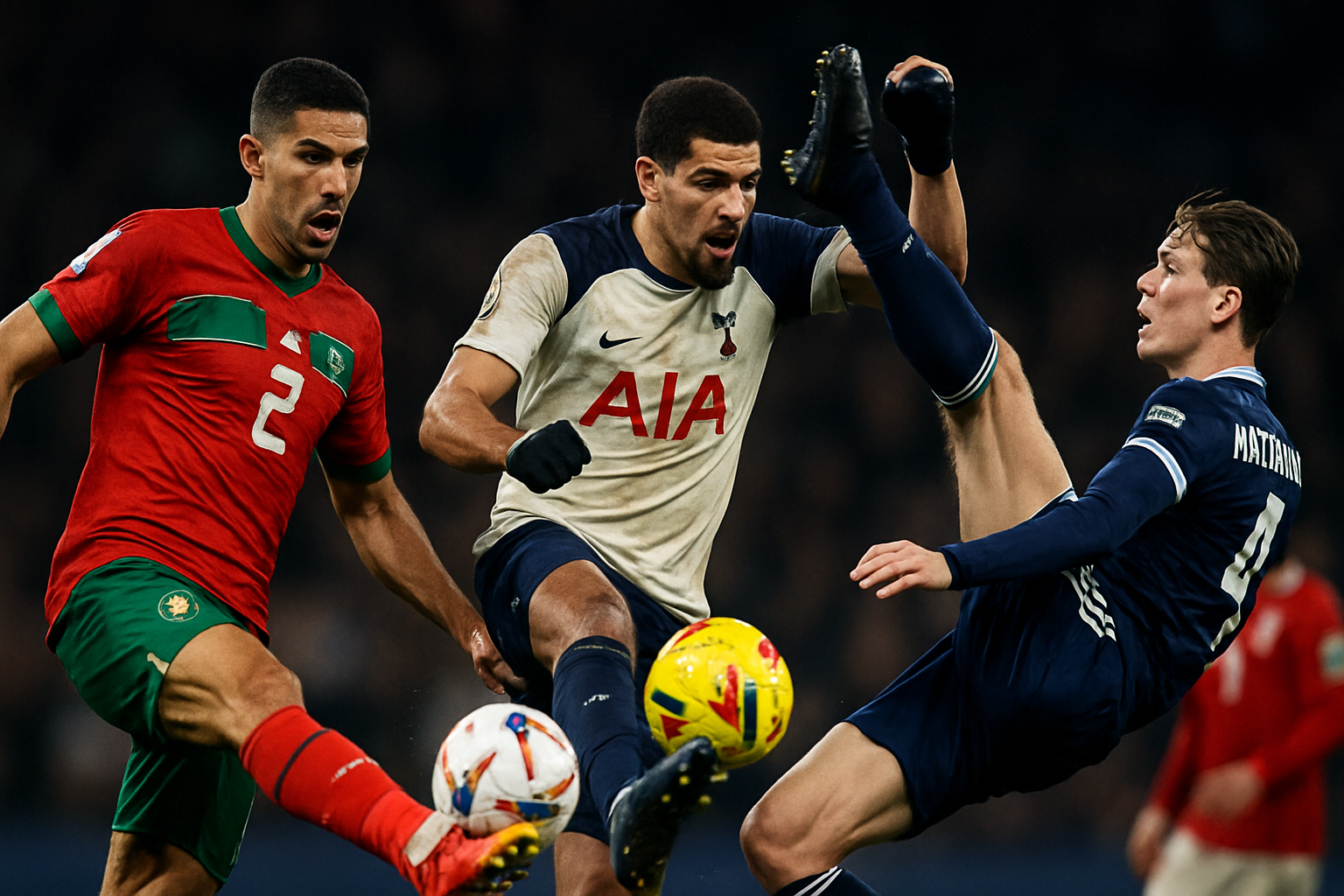
The Origins of Iconic football Techniques
In the world of football, we’ve witnessed some truly iconic goals and techniques over the years. But have you ever wondered how these moves got their names? Some terms are straightforward, named after the player who popularized them, while others derive from the shape of the technique or the context in which they were executed.
Key Highlights
- **Panenka** kick named after Antonin Panenka, famous for its boldness.
- **Scorpion kick**, popularized by Rene Higuita, a true display of acrobatic flair.
- **Bicycle kick**, a classic move with roots in South American football.
- **Rabona**, often a show-off move that combines skill with style.
While some of these names are well-known, the history behind them is often murky, especially considering the inconsistent reporting from the early 1900s. Even so, each technique carries its own story, reflecting the creativity and passion of the players who made them famous.
The Panenka kick is a daring penalty technique where the player gently lifts the ball down the center of the goal, hoping the goalkeeper dives early. This style owes its name to Antonin Panenka, who famously executed it in the 1976 European Championship, leading Czechoslovakia to victory. Over the years, stars like Zinedine Zidane and Sergio Ramos have adopted this technique, showcasing its effectiveness in high-stakes situations.
Then there’s the **scorpion kick**, a move that speaks to the athleticism of its practitioner. It involves leaping forward and flicking the heels to strike the ball, creating an incredible spectacle. This technique was brought into the limelight by goalkeeper Rene Higuita during a match against England in 1995. His audacious save made the scorpion kick a fan favorite, often used by players attempting to score from unconventional angles.
Another remarkable technique is the **bicycle kick**, which requires both acrobatic prowess and precision. This move mimics the cycling motion and has its roots dating back to the early 20th century in South America, where it was known as “chilena”. Its name in English was popularized in the 1930s by journalists who were captivated by the flair it added to the beautiful game.
Let’s not forget the **rabona**, which involves a player using their dominant leg behind their standing leg to kick the ball. Although it can be tricky to master, when executed well, it’s a stunning display of skill. The term originated from Argentine footballer Ricardo Infante in the late 1940s, as he scored a mesmerizing goal that caught everyone’s attention.
Lastly, there’s the **Olimpico** goal, where a player scores directly from a corner kick—a rare and exciting feat. The term comes from a historic goal scored by Cesareo Onzari in 1924. Since then, this technique has brought thrills to matches, with Newcastle’s Bruno Guimaraes recently adding to the tally.
Frequently Asked Questions
- What is a Panenka kick?
A daring penalty style where the ball is softly lofted down the middle of the goal, named after Antonin Panenka. - Who popularized the scorpion kick?
Goalkeeper Rene Higuita brought the scorpion kick into the mainstream with a famous save in 1995. - What does rabona mean?
In Spanish, it translates to ‘playing truant’ or ‘skipping school’, reflecting its creative style. - What is an Olimpico goal?
A goal scored directly from a corner kick without any player touching the ball.