World Cup 2026: Travel Restrictions Impact Fans from Haiti and Others

Share
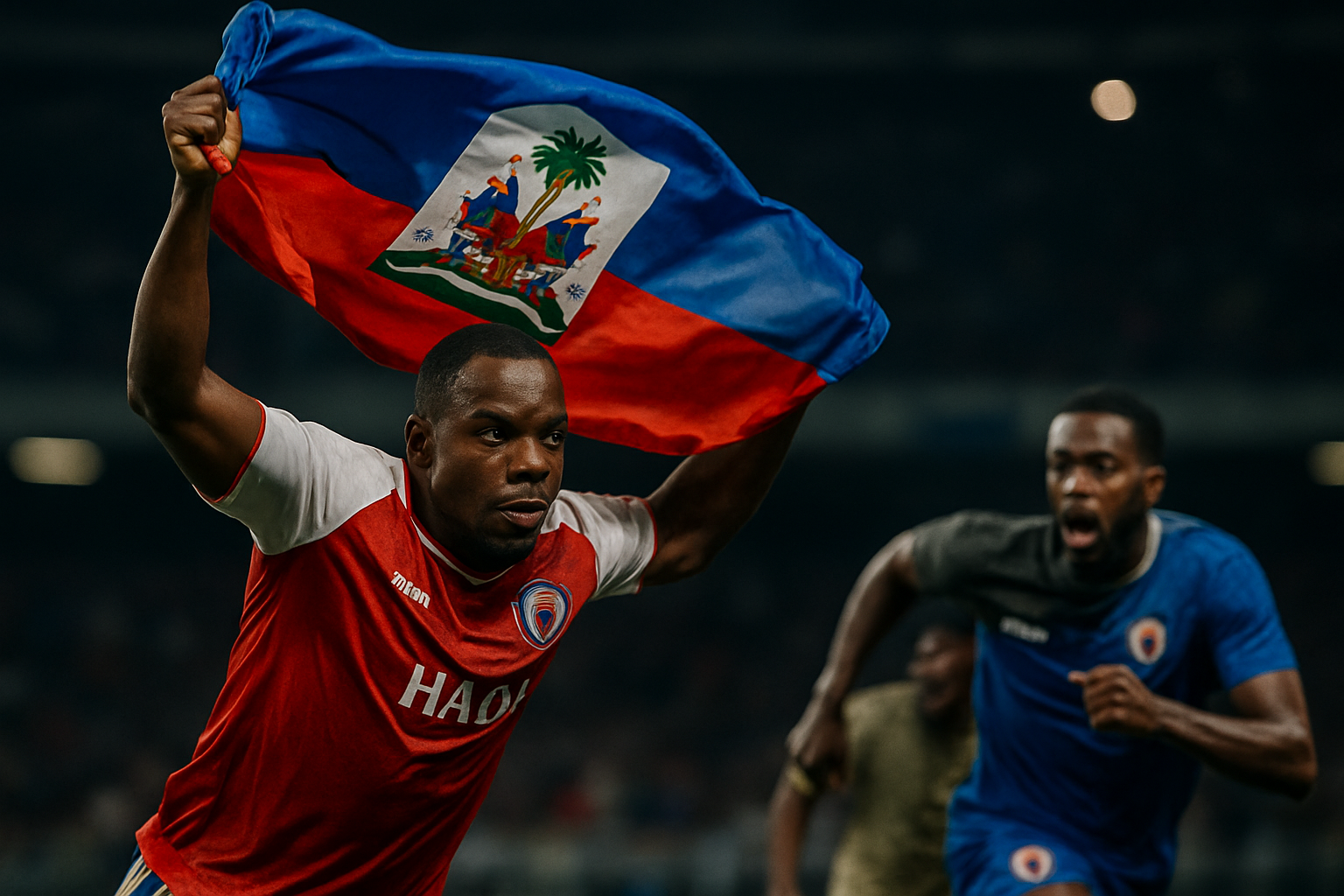
No Relief for World Cup Fans Amid Travel Restrictions
The upcoming 2026 FIFA World Cup, set to be co-hosted by the United States, Canada, and Mexico, has sparked excitement among fans, but not without its challenges. Haitian nationals, along with citizens from Senegal, Ivory Coast, and Iran, face significant hurdles due to travel restrictions imposed by the Trump administration.
Key Highlights
- Haitian men’s soccer team qualifies for the World Cup for the first time since 1974.
- Travel bans affect fans from several countries hoping to attend the tournament.
- New York City Mayor Zohran Mamdani is advocating for travel exceptions.
- Critics argue the bans are discriminatory and counterproductive.
“This achievement is a testament to hope for Haiti,” remarked Regine Etienne, Haiti’s acting consular general in Boston. The Haitian team qualified for the first time in decades, yet they cannot train on home soil or play in their stadium. This irony underlines the resilience of the players and the nation.
Despite the team’s accomplishments, many fans will be unable to cheer from the stands. The travel restrictions, part of a broader policy citing national security concerns, bar citizens from specific countries from attending the event. Since January 1, the Trump administration expanded its visa suspensions, affecting nationals from 39 countries. The nations impacted include Haiti, Senegal, Ivory Coast, and Iran, all of which are set to participate in the World Cup.
The policy, known as Presidential Proclamation 10998, allows some exceptions for team officials and family members but leaves most fans in limbo. A State Department spokesperson noted that while the policy prioritizes safety, it has created a significant barrier for supporters eager to attend. “A visa is a privilege, not a right,” the spokesperson stated.
In a bid to advocate for affected communities, New York City Mayor Zohran Mamdani has expressed intent to appeal for travel exceptions. In a recent interview, he highlighted the importance of visibility for these communities: “It’s an opportunity to show the world that we exist and contribute.” His passion for soccer was evident when he hosted a watch party for the Africa Cup of Nations final, aiming to foster solidarity among immigrant communities.
While the White House has not commented on the potential for exemptions, Mamdani’s push reflects a growing frustration among fans and community leaders. The stakes are high; this World Cup represents not just a sporting event but a chance for nations like Haiti to showcase their resilience. The Haitian flag will fly alongside those of powerful nations, yet many citizens may be left behind.
Critics of the travel restrictions argue that they are not only discriminatory but also counterproductive to the spirit of the World Cup. Sheck Wes, a Senegalese-American hip-hop artist, emphasized the cultural richness that these communities bring and how the restrictions inhibit their participation.
With the tournament quickly approaching, the question remains: will these nations be able to bridge the gap and allow their citizens to experience the World Cup? The ongoing debate highlights the intersection of sports, politics, and human rights, making it a pivotal moment in the lead-up to one of the most anticipated events in global sports.
FAQs
- Why are Haitian nationals affected by travel restrictions?
The Trump administration’s visa suspensions impact citizens from several countries, including Haiti, due to national security concerns. - What is Presidential Proclamation 10998?
This policy outlines the expanded visa-issuance suspensions for nationals from specified countries, affecting their ability to attend the World Cup. - Who is advocating for travel exceptions for affected countries?
New York City Mayor Zohran Mamdani is actively seeking exemptions for fans from Haiti, Senegal, Ivory Coast, and Iran. - How has the travel ban impacted community sentiments?
Many community leaders and fans feel frustrated, claiming the bans are discriminatory and undermine the spirit of international sporting events.